Can You Use Marine Batteries in a Golf Cart?
Yes, you can technically use some marine batteries in a golf cart, but they are generally not the best choice for long-term traction use.
Read More
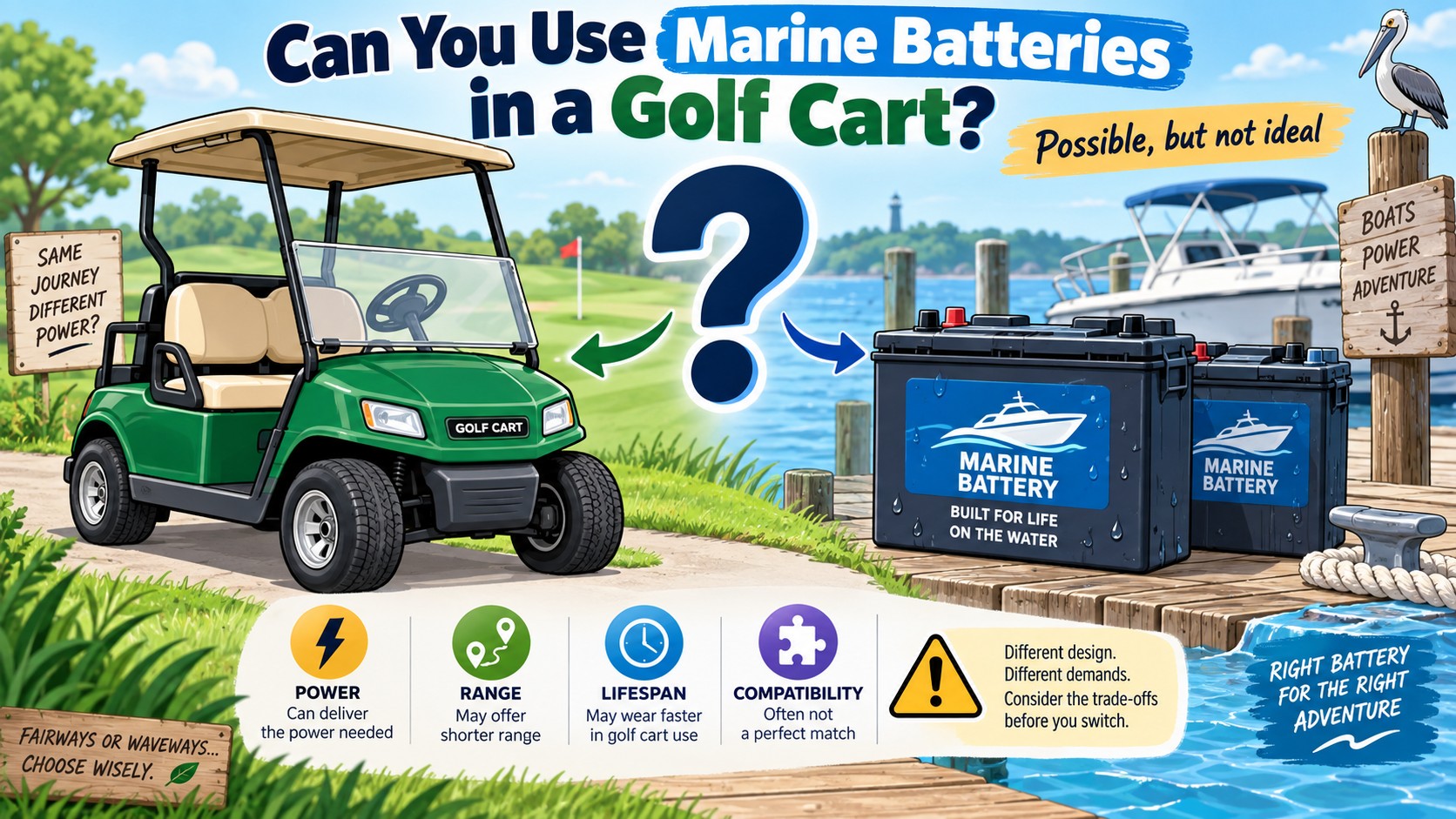
Yes, you can technically use some marine batteries in a golf cart, but they are generally not the best choice for long-term traction use.
Read More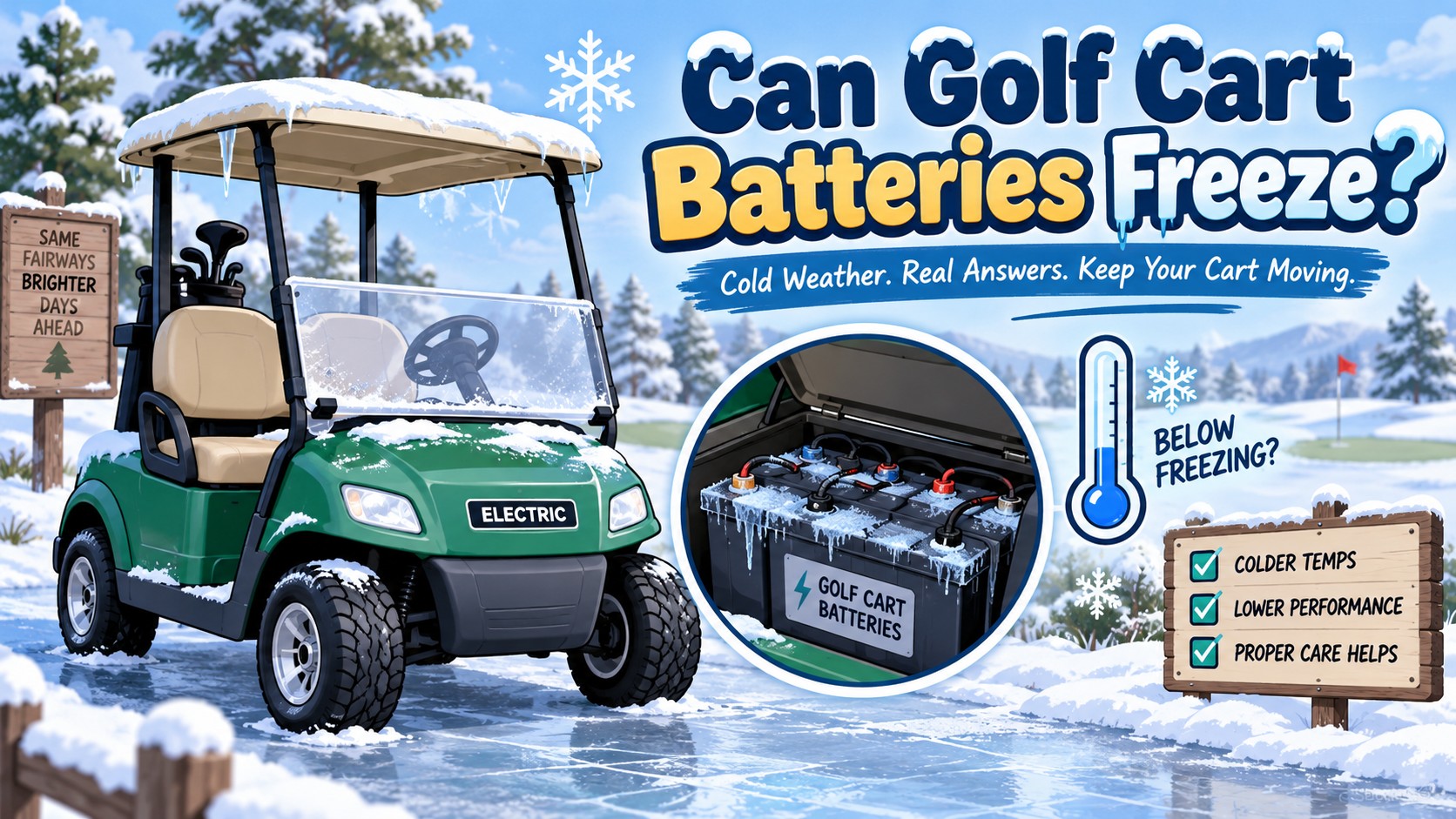
Yes, golf cart batteries can be damaged by freezing temperatures, but the actual risk depends greatly on battery chemistry and state of charge.
Read More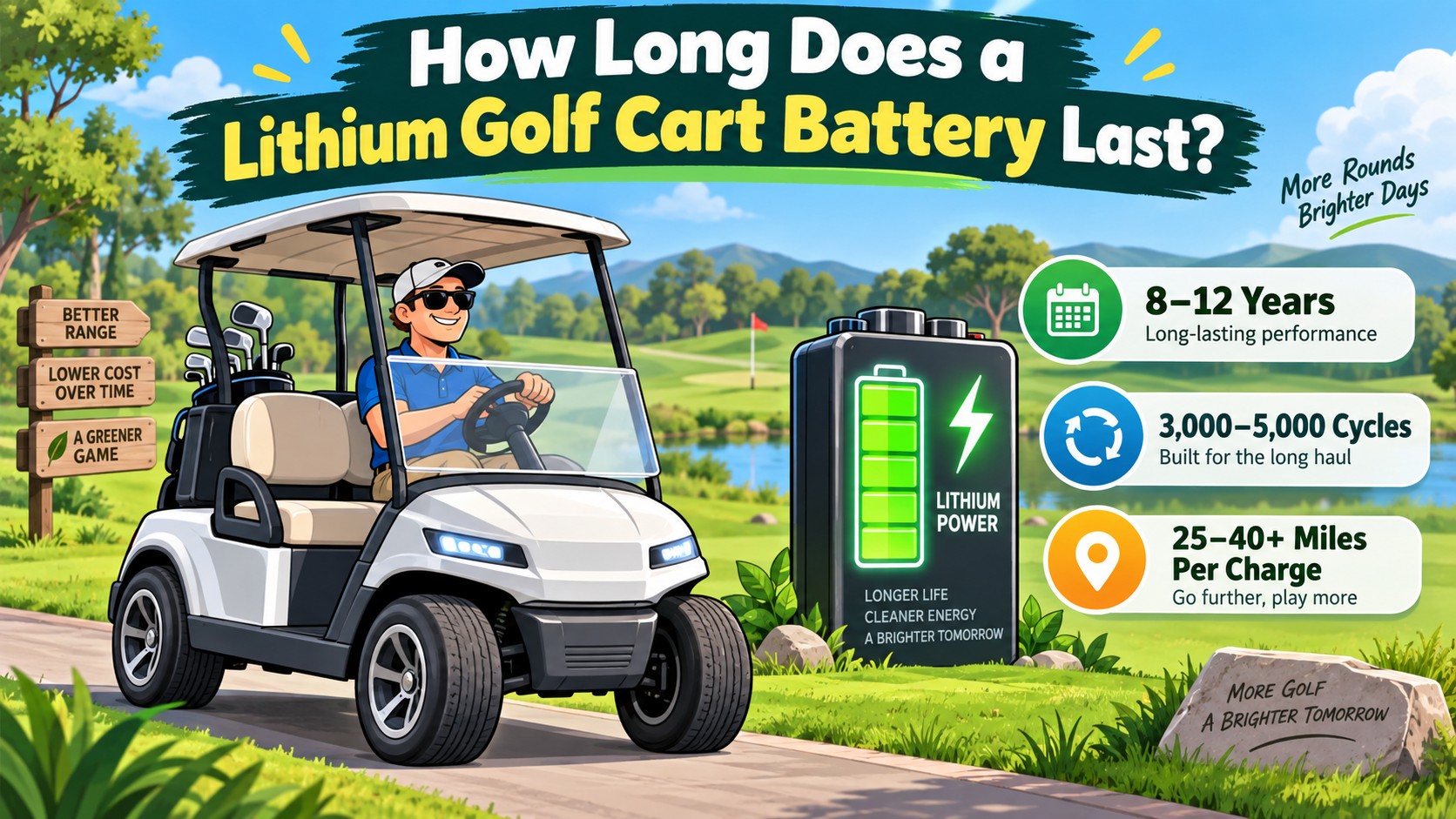
A lithium golf cart battery can often last 8 to 12 years and thousands of charge cycles when properly charged, stored, and maintained.
Read More
To decorate a golf cart for a parade, clean the cart, choose one clear theme, secure lightweight decorations, and keep all controls and views unobstructed.
Read More
Golf cart insurance can protect your cart, passengers, and finances against accidents, theft, property damage, injuries, and other covered losses.
Read More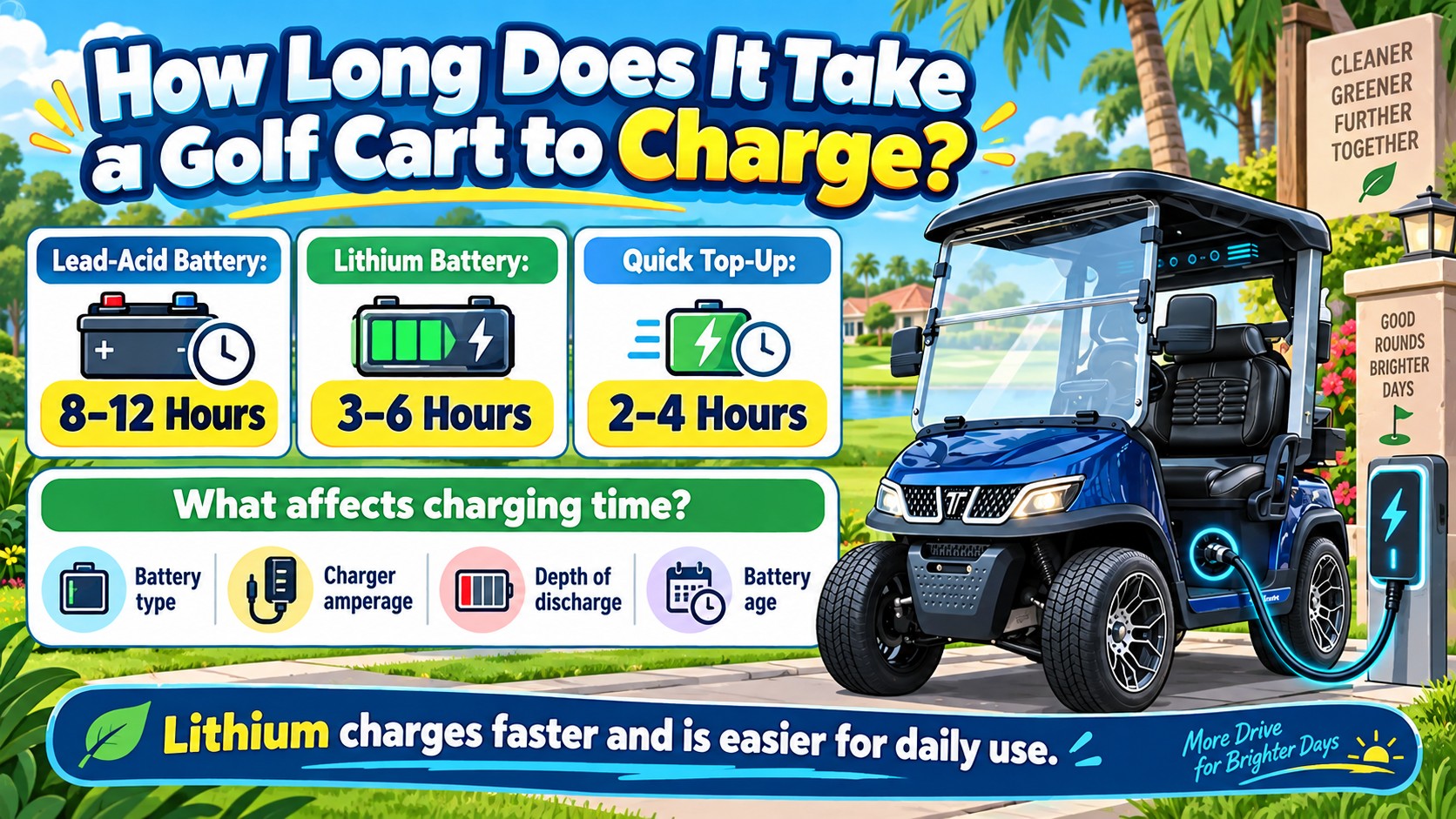
A golf cart usually takes 3 to 12 hours to fully charge, depending mainly on battery type, discharge level, battery capacity, age, and charger output.
Read More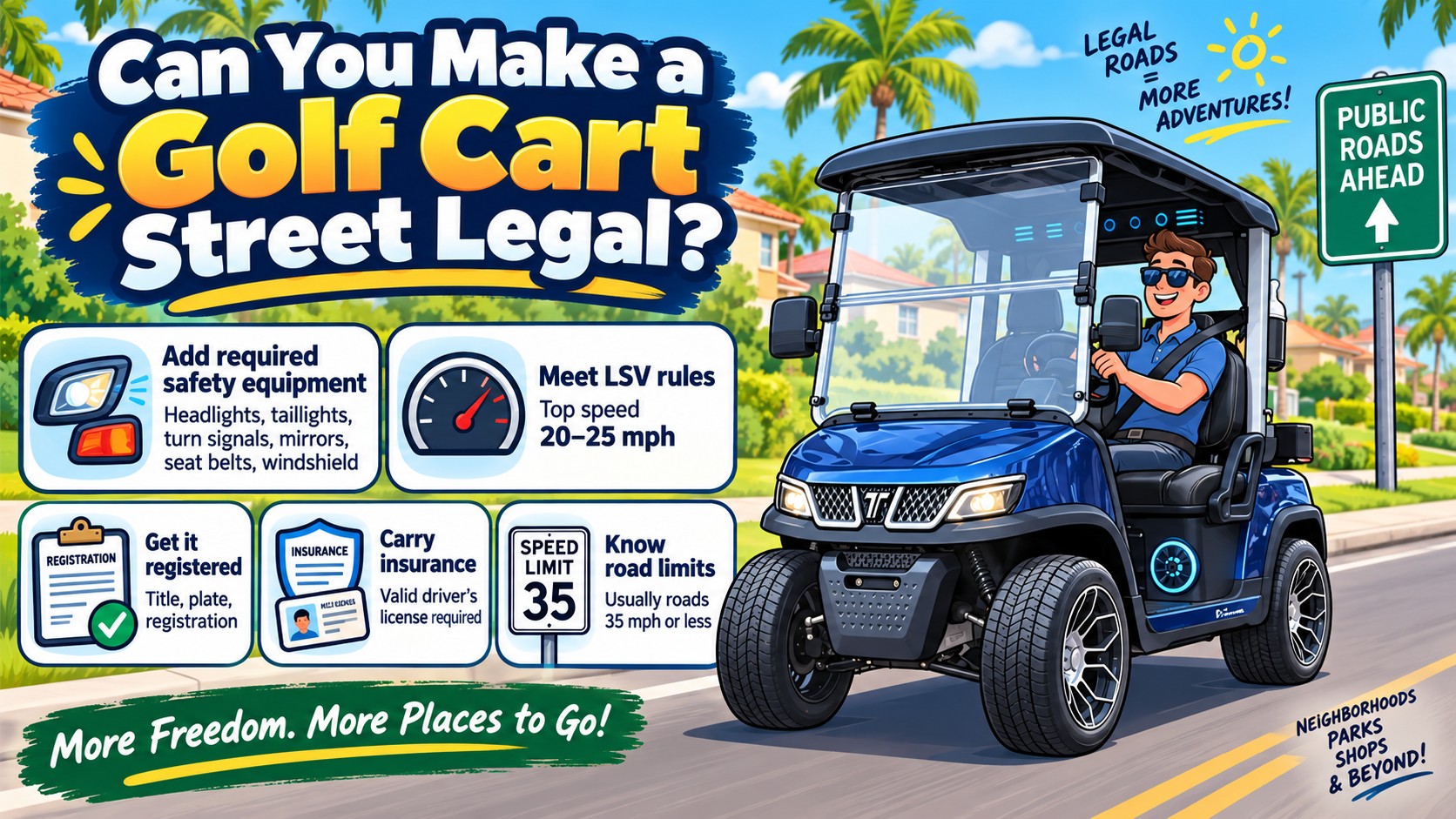
Yes, a golf cart can sometimes be converted for public-road use, but it must meet federal safety standards plus state and local registration rules.
Read More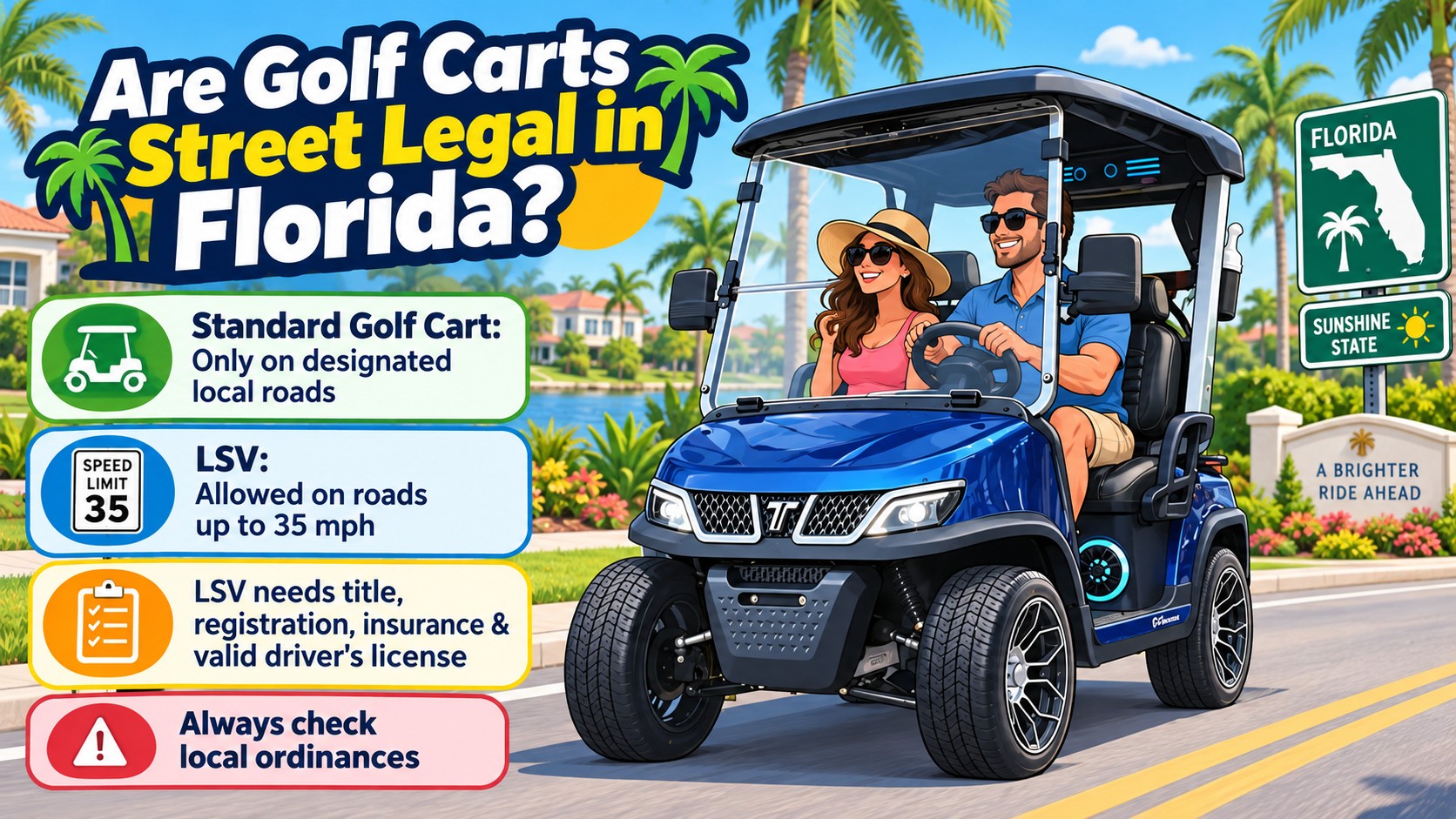
Yes, golf carts can use certain public roads in Florida, but where you can drive depends on the vehicle type, local rules, road designation, and equipment.
Read More
A golf-cart-style vehicle becomes road-ready when it qualifies as an LSV, has required safety equipment, and is properly titled and registered.
Read More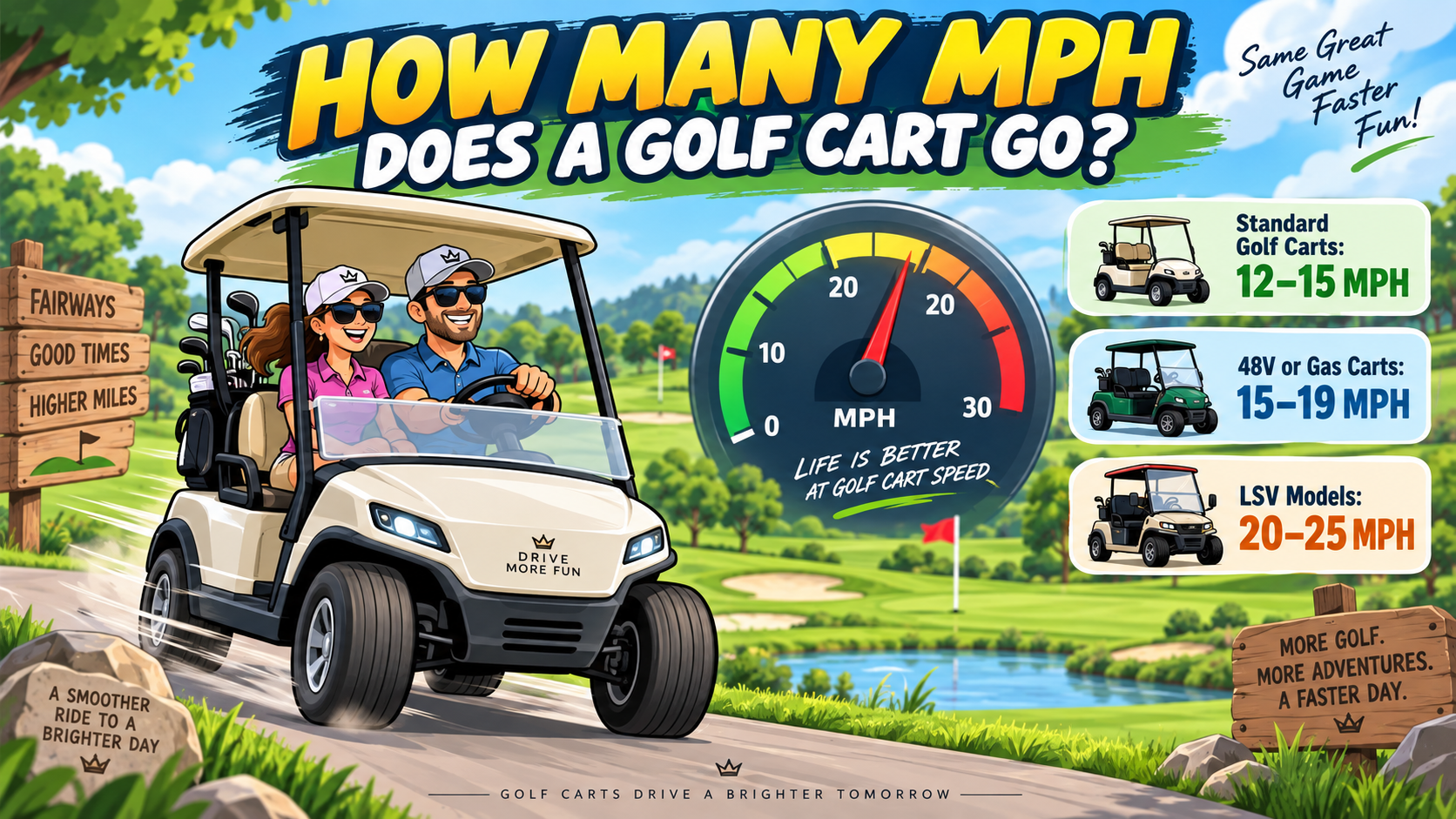
Most standard golf carts travel about 12 to 15 mph, while higher-voltage carts and LSV models can reach significantly faster speeds.
Read More