Are Golf Carts Street Legal in California?
Golf carts can use some California roads, but ordinary carts face strict limits, while registered LSVs have broader access to public streets.
Read More
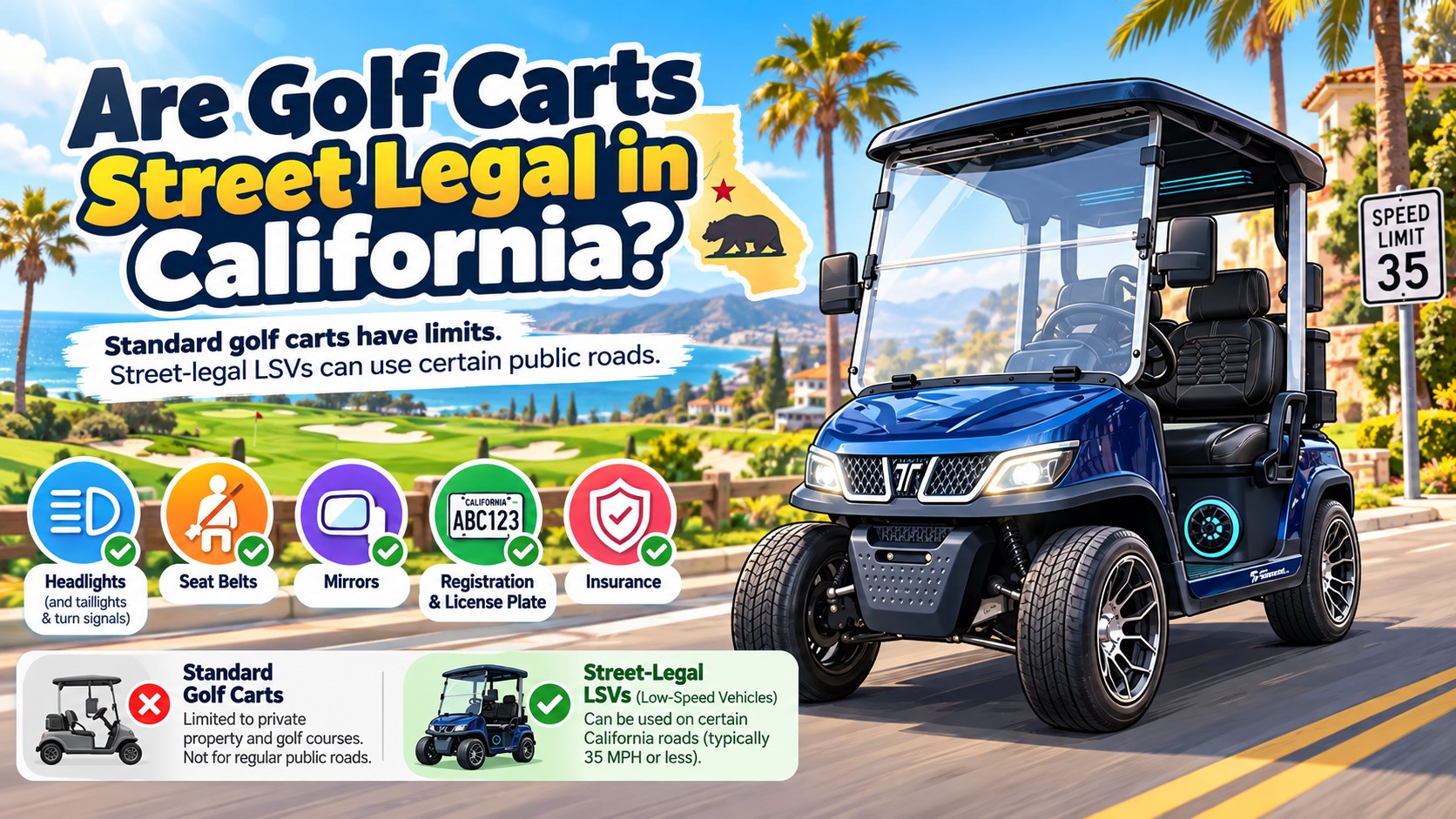
Golf carts can use some California roads, but ordinary carts face strict limits, while registered LSVs have broader access to public streets.
Read More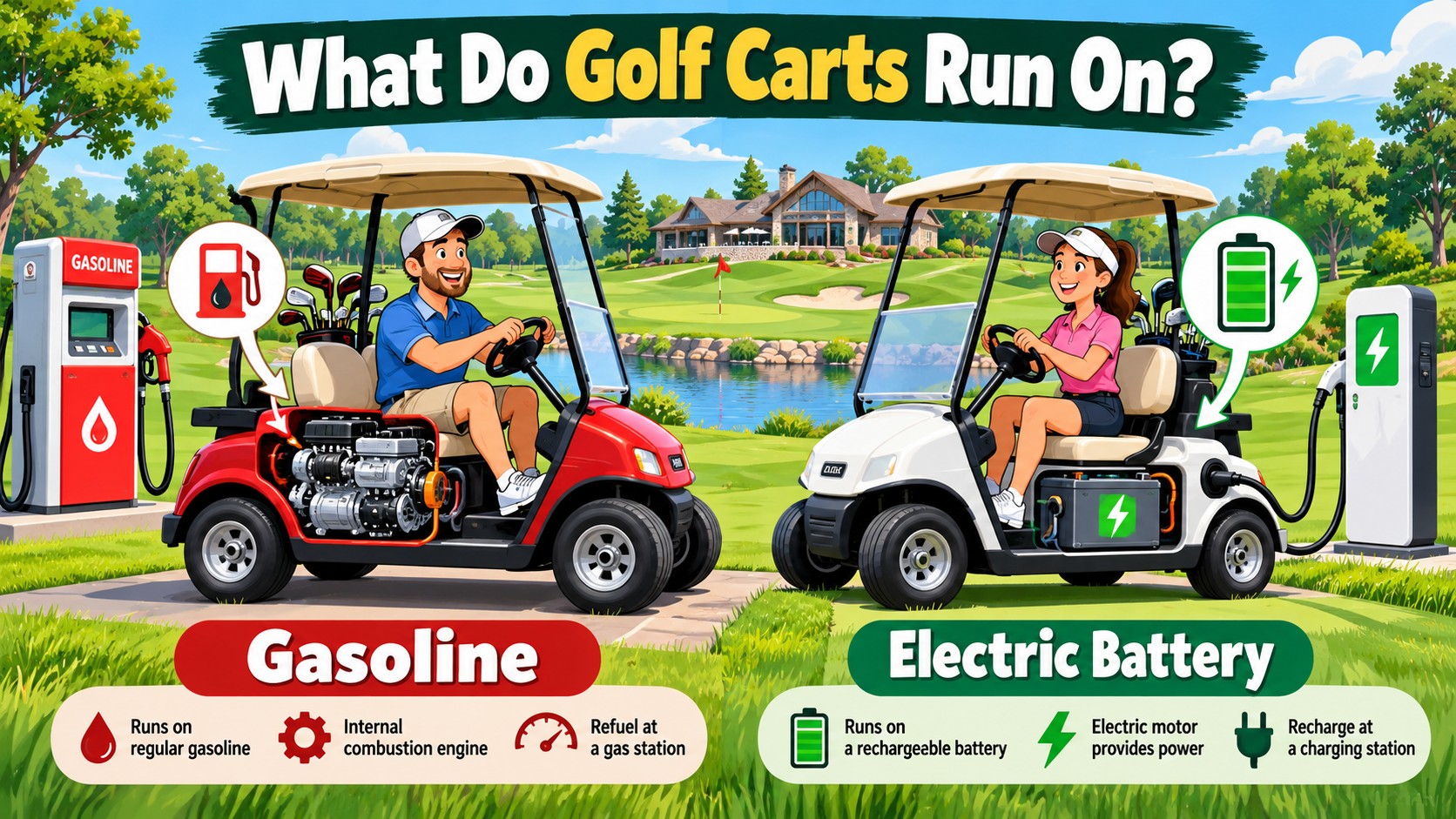
Golf carts run on either gasoline or electricity, with modern electric models increasingly using efficient lithium battery systems.
Read More
Set on Normandy Isle in Miami Beach, Normandy Shores Golf Club offers a relaxed South Florida round where water, palms, wildlife, and strategic shot-making shape the experience.
Read More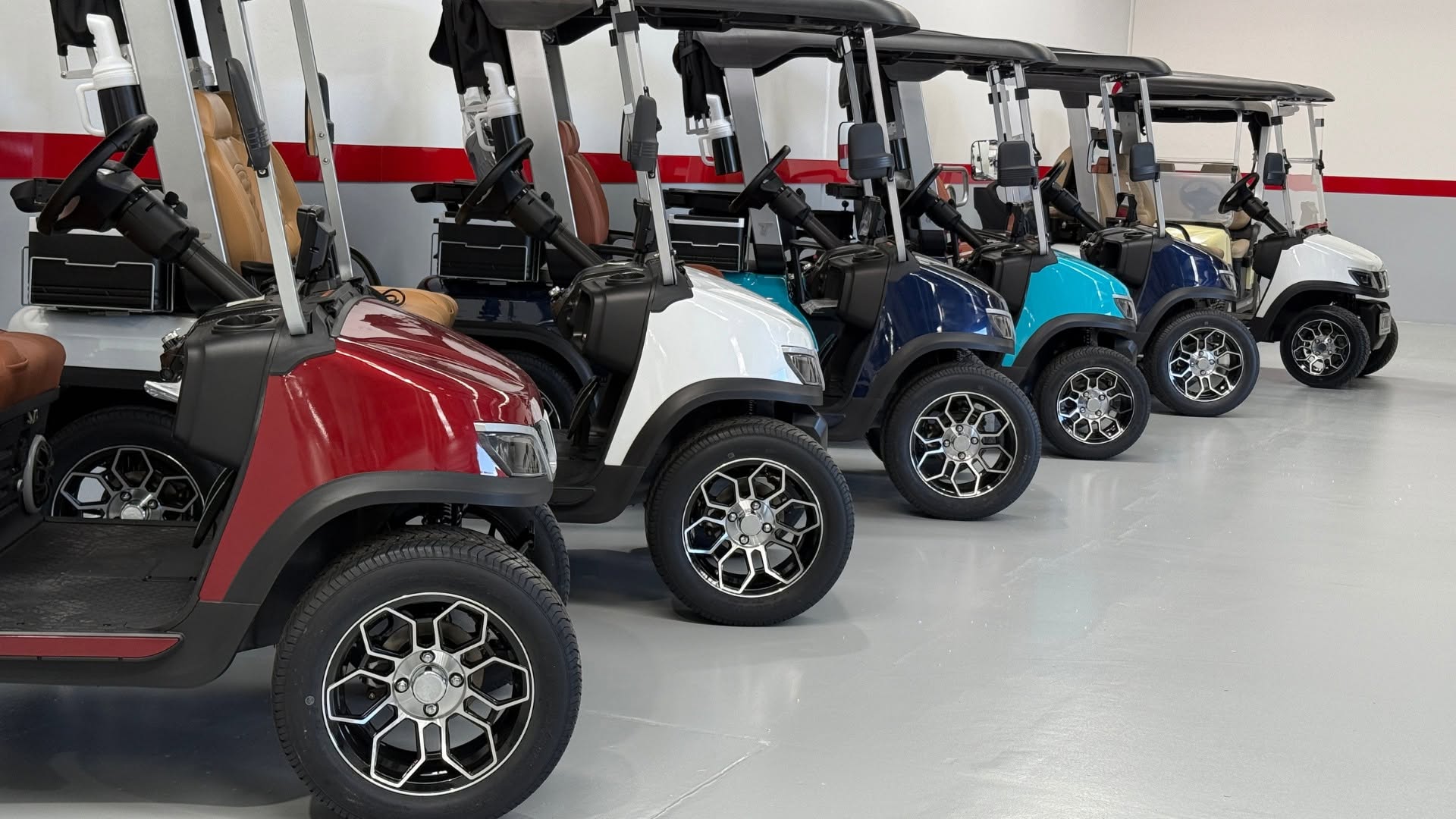
LSV means Low-Speed Vehicle, a motor-vehicle classification for four-wheel vehicles designed for short-distance travel on permitted public roads.
Read More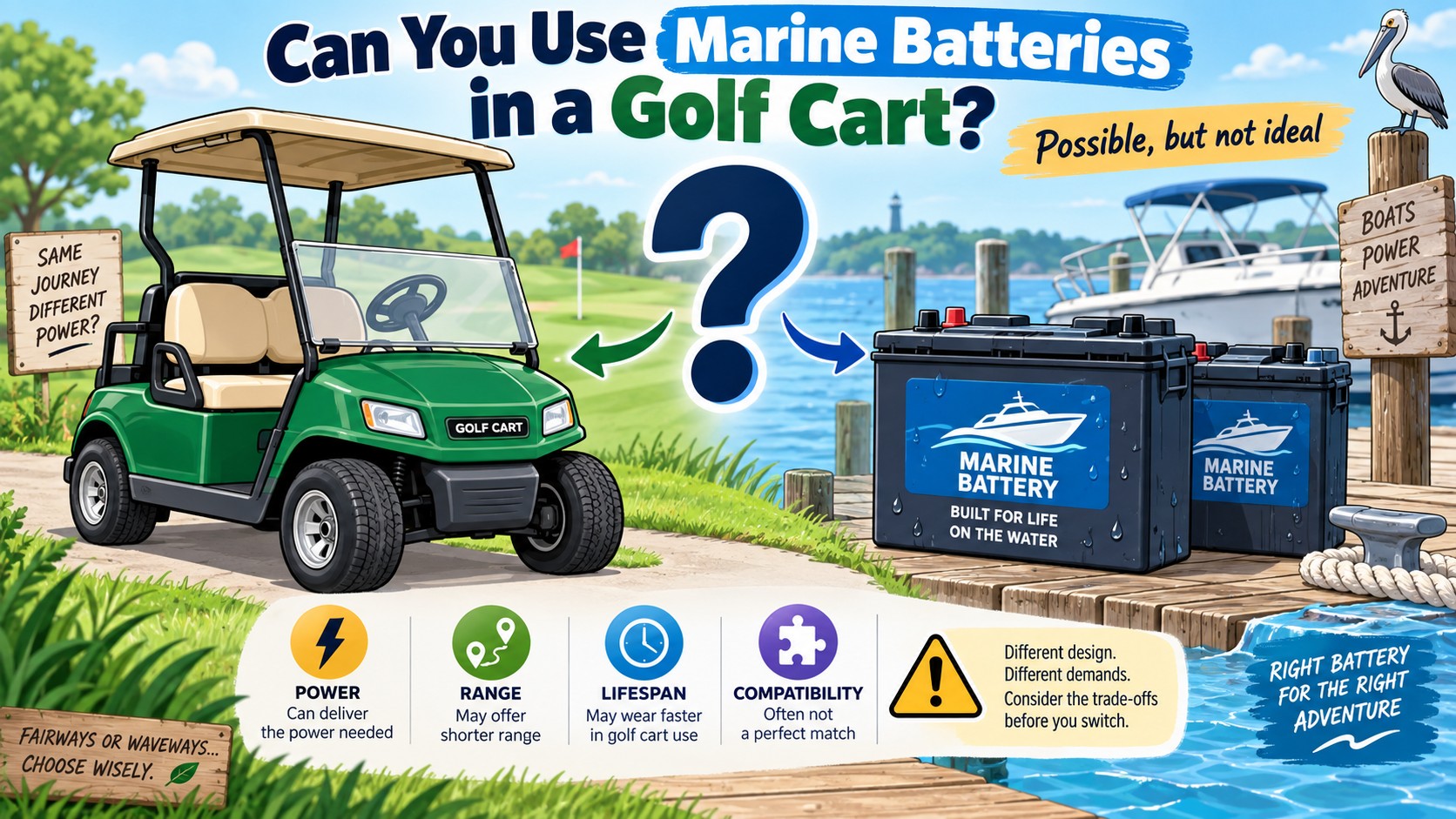
Yes, you can technically use some marine batteries in a golf cart, but they are generally not the best choice for long-term traction use.
Read More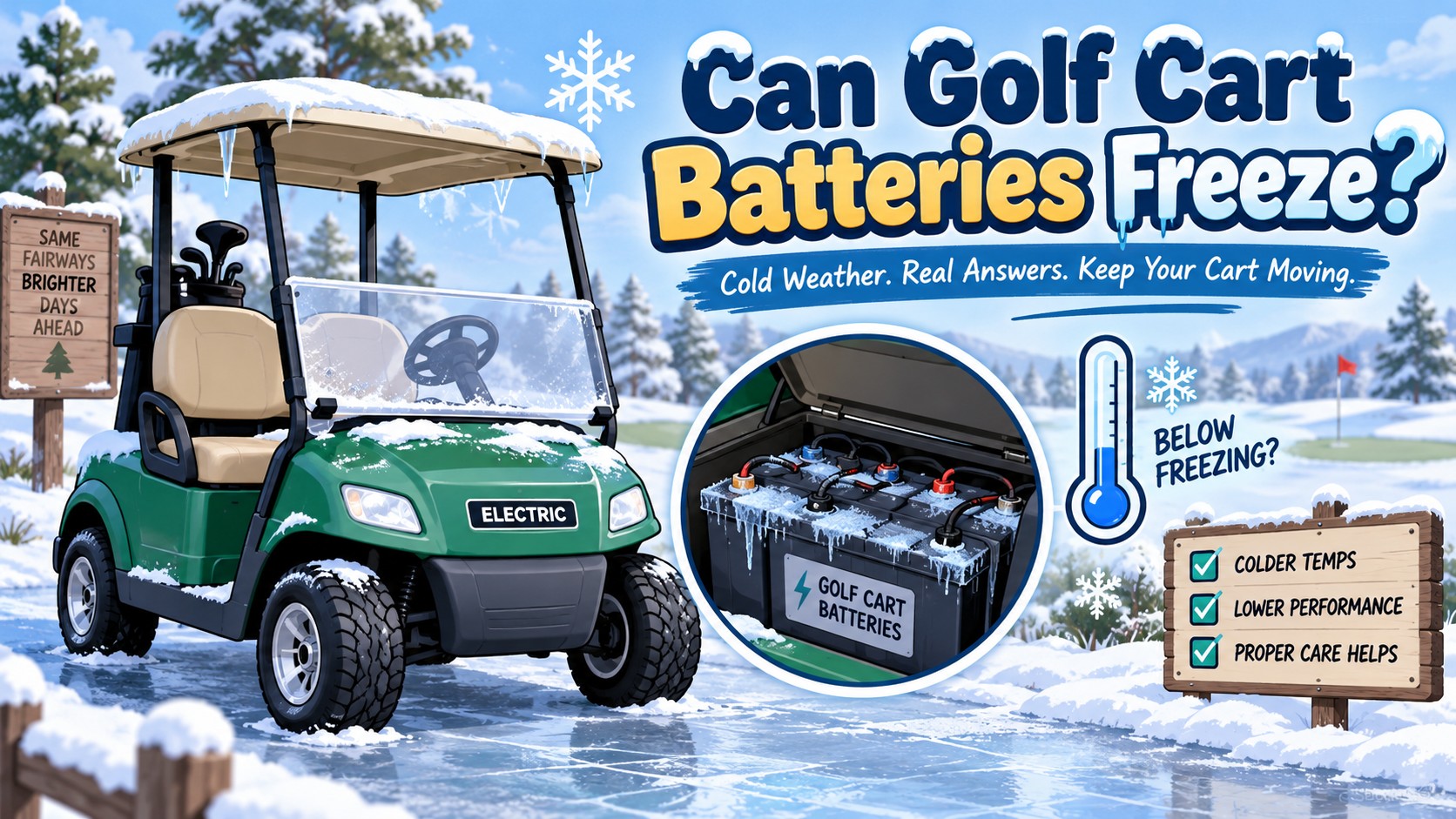
Yes, golf cart batteries can be damaged by freezing temperatures, but the actual risk depends greatly on battery chemistry and state of charge.
Read More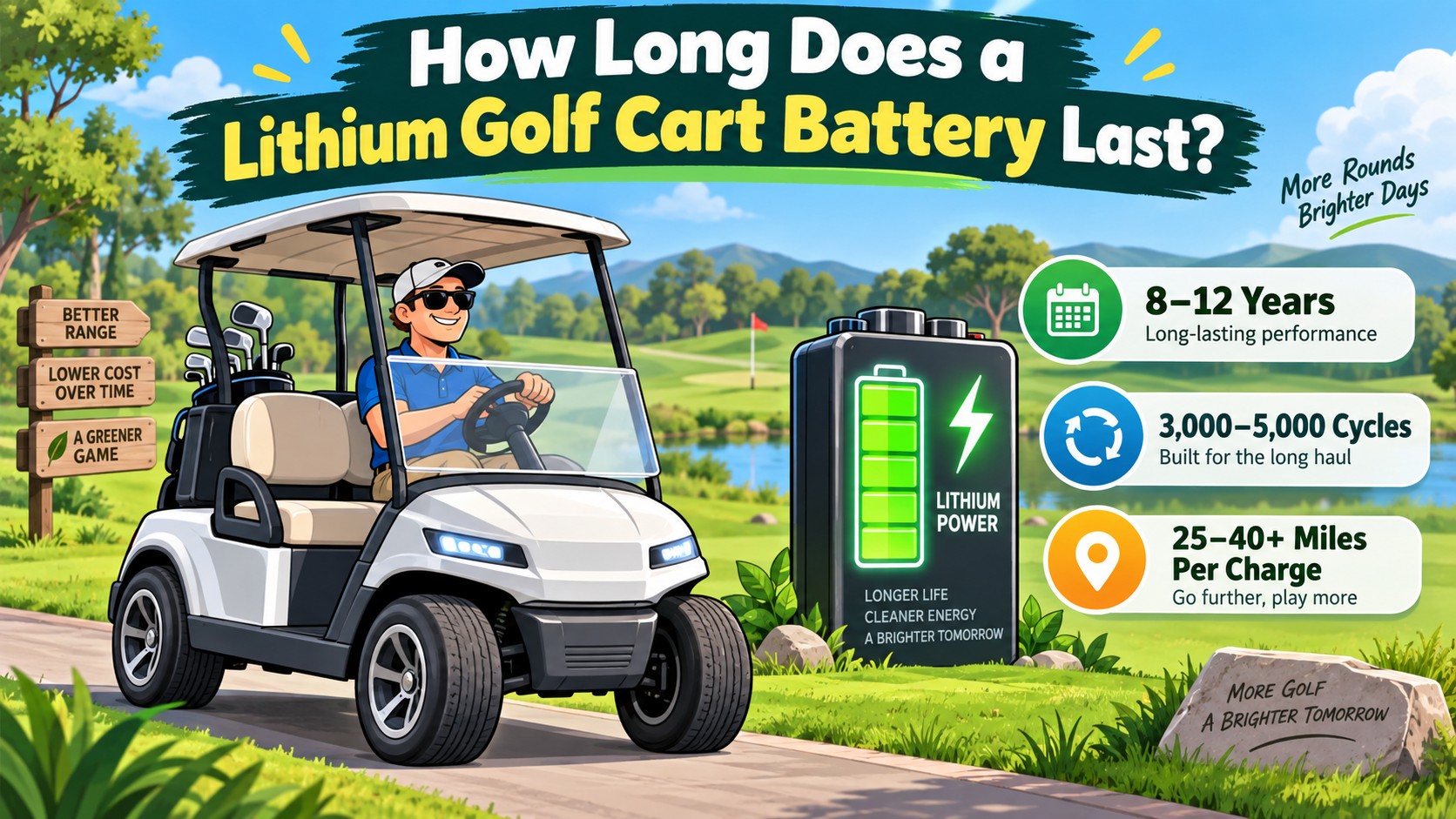
A lithium golf cart battery can often last 8 to 12 years and thousands of charge cycles when properly charged, stored, and maintained.
Read More
To decorate a golf cart for a parade, clean the cart, choose one clear theme, secure lightweight decorations, and keep all controls and views unobstructed.
Read More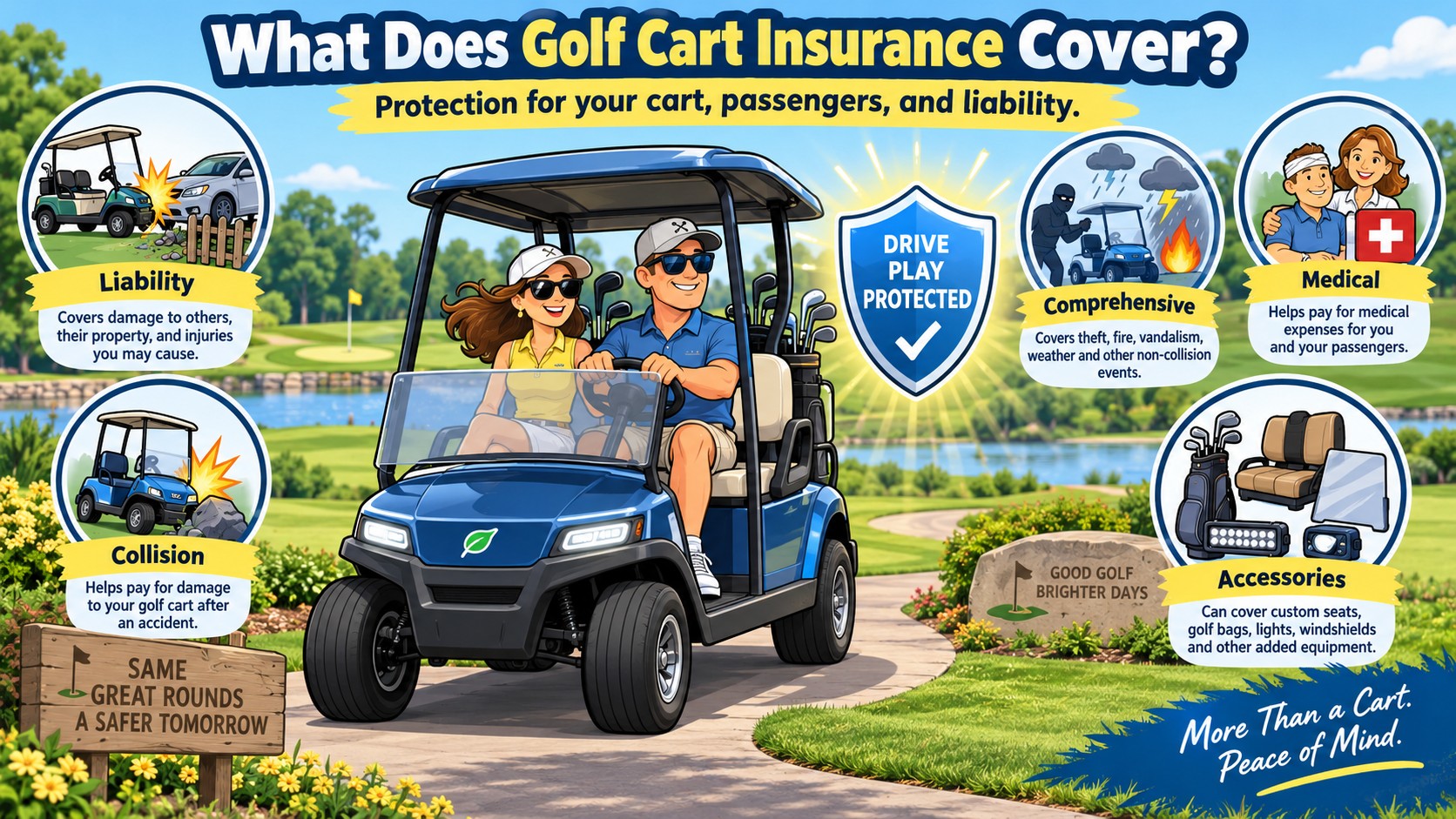
Golf cart insurance can protect your cart, passengers, and finances against accidents, theft, property damage, injuries, and other covered losses.
Read More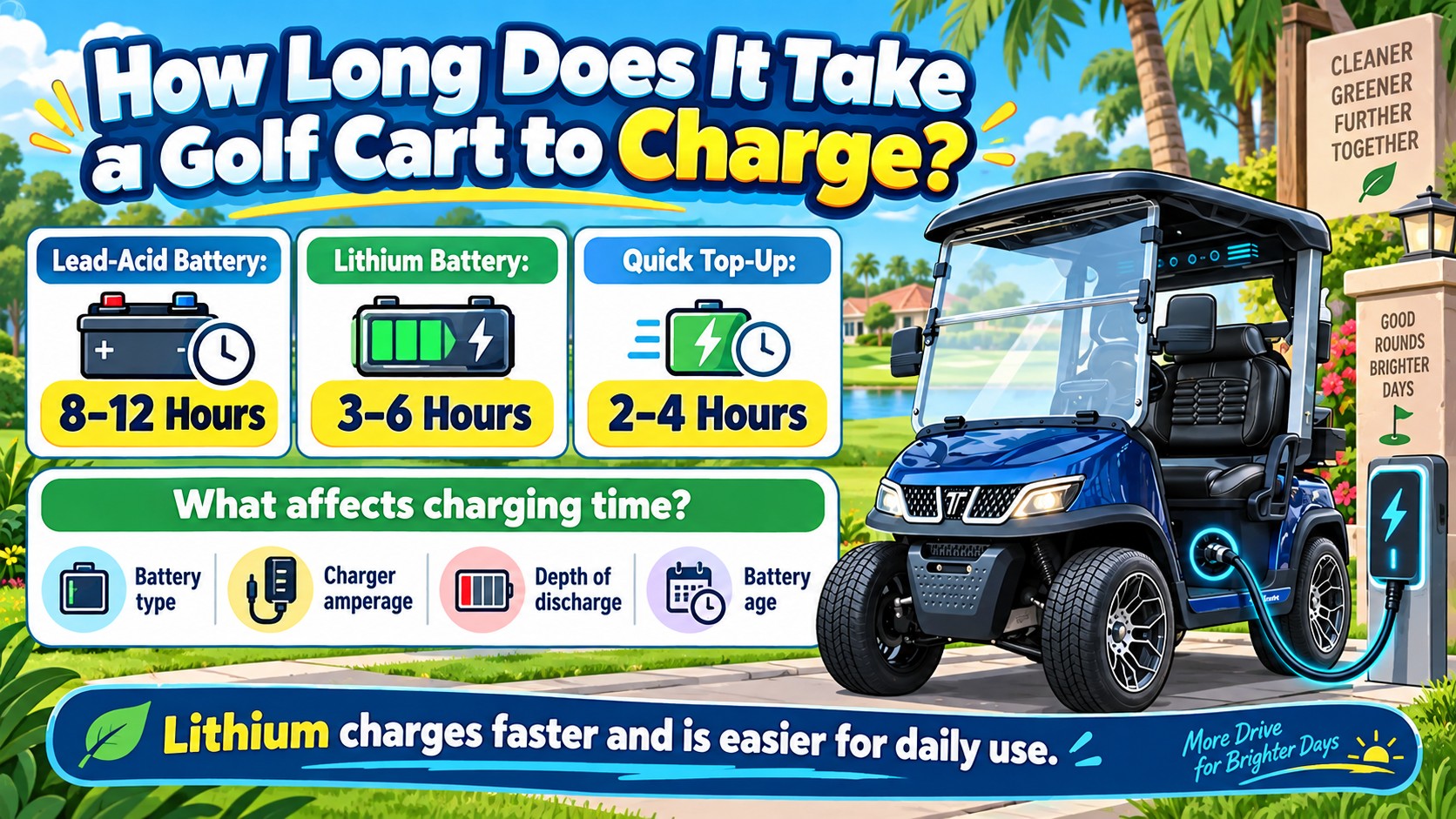
A golf cart usually takes 3 to 12 hours to fully charge, depending mainly on battery type, discharge level, battery capacity, age, and charger output.
Read More