
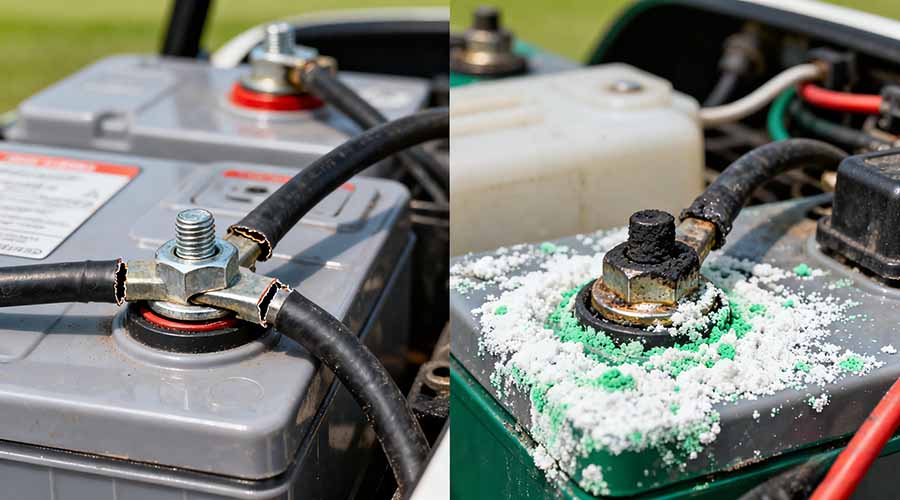
Sudden loss of speed, reduced range, or complete failure to move can frustrate any electric golf cart owner. Most issues trace back to the battery pack—aging cells, poor connections, or improper charging—but problems like faulty solenoids, controllers, or worn motors also play a role. Identifying the root cause early saves time and money.
Electric golf carts rely on a simple but interconnected system: batteries supply voltage to a controller, which powers the motor through a solenoid. When any link weakens, performance drops noticeably. Unlike gas models, electric carts give clear warning signs—gradual slowdown, jerky acceleration, or clicking without movement—making diagnosis straightforward with basic tools and observation.
Regular maintenance prevents most power loss, but wear over time is inevitable. Understanding the symptoms and testing methods helps you decide whether to fix it yourself or seek professional service.
Several factors frequently reduce or eliminate power:
Follow this systematic approach:
Symptoms include:
Test by jumping the large terminals with an insulated tool (caution: sparks expected)—if the cart moves, the solenoid is likely faulty.
Even with healthy batteries, power may not reach the motor due to:
Systematic voltage testing from batteries through solenoid to motor pinpoints the break.
Preventive care—regular cleaning, proper charging, and annual professional checks—keeps your electric golf cart running strong. Address small issues early to avoid stranded rounds or costly repairs.
With basic tools and attention, most power loss problems are fixable at home—restoring smooth, reliable performance for years of enjoyment.
