
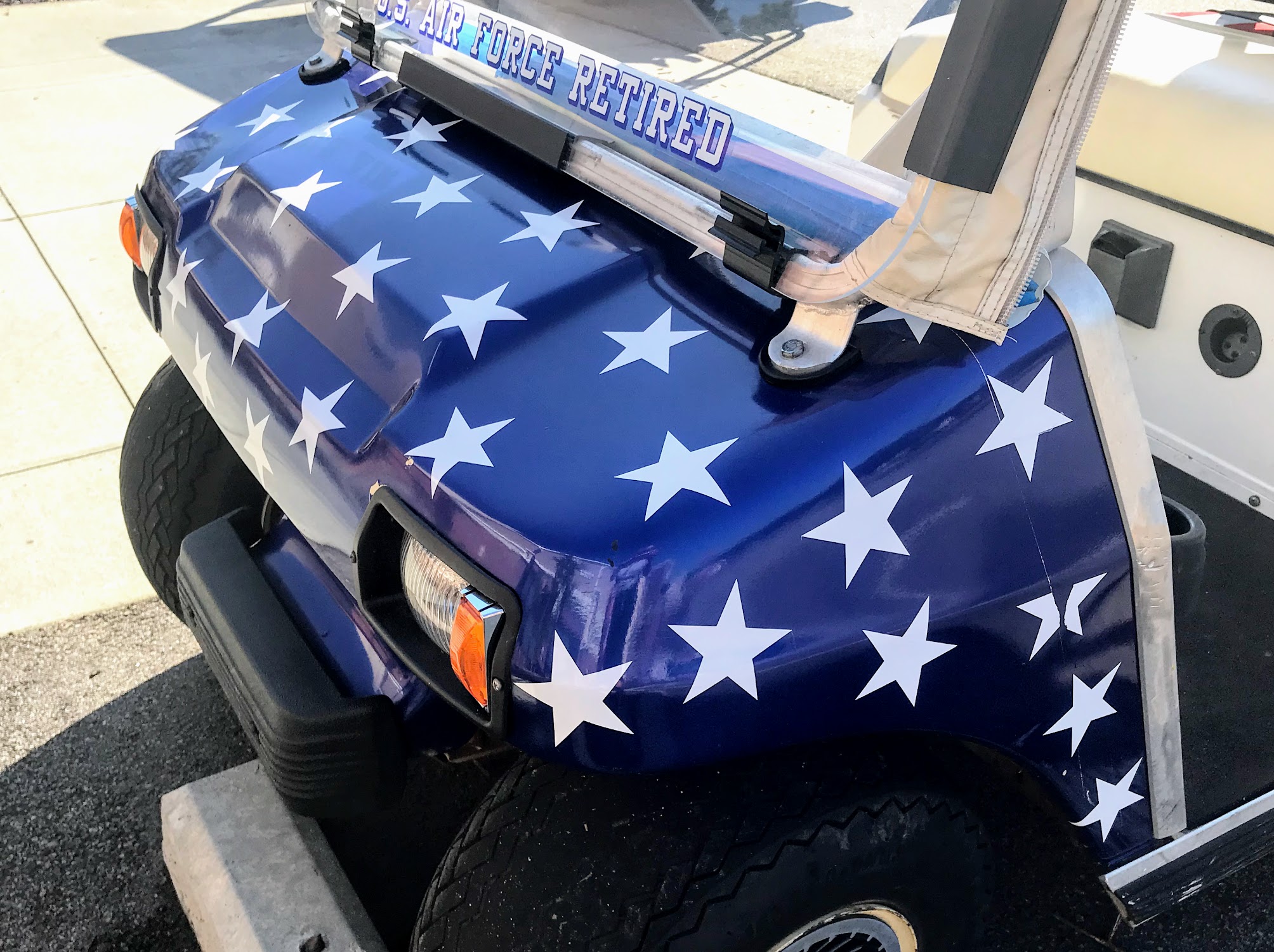
Wrapping your cart at home can refresh the look, protect panels, and express your brand—if you plan well, prep carefully, and apply heat and pressure with patience.
A quality vinyl wrap can make your golf cart look new, shield plastics from scuffs and UV, and let you swap colors or graphics without permanent paint. This guide explains difficulty, preparation, paint-vs-wrap tradeoffs, and realistic costs, plus pro tips to avoid bubbles, seams, and lifting.
Difficulty is moderate for a patient DIYer. Cart bodies typically have manageable panel sizes and gentle curves, but textured plastics, compound corners, and recessed pockets add complexity. Expect a learning curve with heat control and squeegee technique. If you can apply screen protectors or window film neatly—and you’re comfortable removing trim—you can achieve a tidy wrap by working panel-by-panel, not rushing, and practicing on hidden areas first.
Preparation determines 80% of the outcome. Any residue, silicone, oxidation, or loose edges will prevent adhesion and cause early lifting.
It depends on goals, budget, and how often you change styles.
If you want seasonal themes, sponsor graphics, or quick rebrands, wrapping wins. If you’re restoring a single color to showroom quality for many years, high-quality paint may be worth the added prep and downtime.
Costs vary with film type (calendered vs. cast), finish, coverage, and labor.
To keep budgets on track, order 10–15% extra film for mistakes and future repairs, and save the lot number in case you need an exact color match later.
How hard is it to wrap a cart? Moderate—panel sizes are friendly, but corners and recesses test patience. Practice on hidden pieces first.
How do you prepare? Deep clean, decontaminate with IPA, remove trim, measure generously, and work in a clean, climate-controlled bay.
Paint or wrap? Wrap for speed, reversibility, and design flexibility; paint for permanent, long-term color if you’ll invest in prep and curing.
Average cost? DIY materials often a few hundred dollars; pro color changes commonly range into the low four figures depending on complexity.
A well-planned wrap can transform a cart’s identity in a weekend and protect panels for years. Start with meticulous prep, choose a reputable film, and respect heat and edge work. When you’re ready to refresh graphics or branding again, peel, clean, and repeat—your golf cart can evolve with your style and season.
