
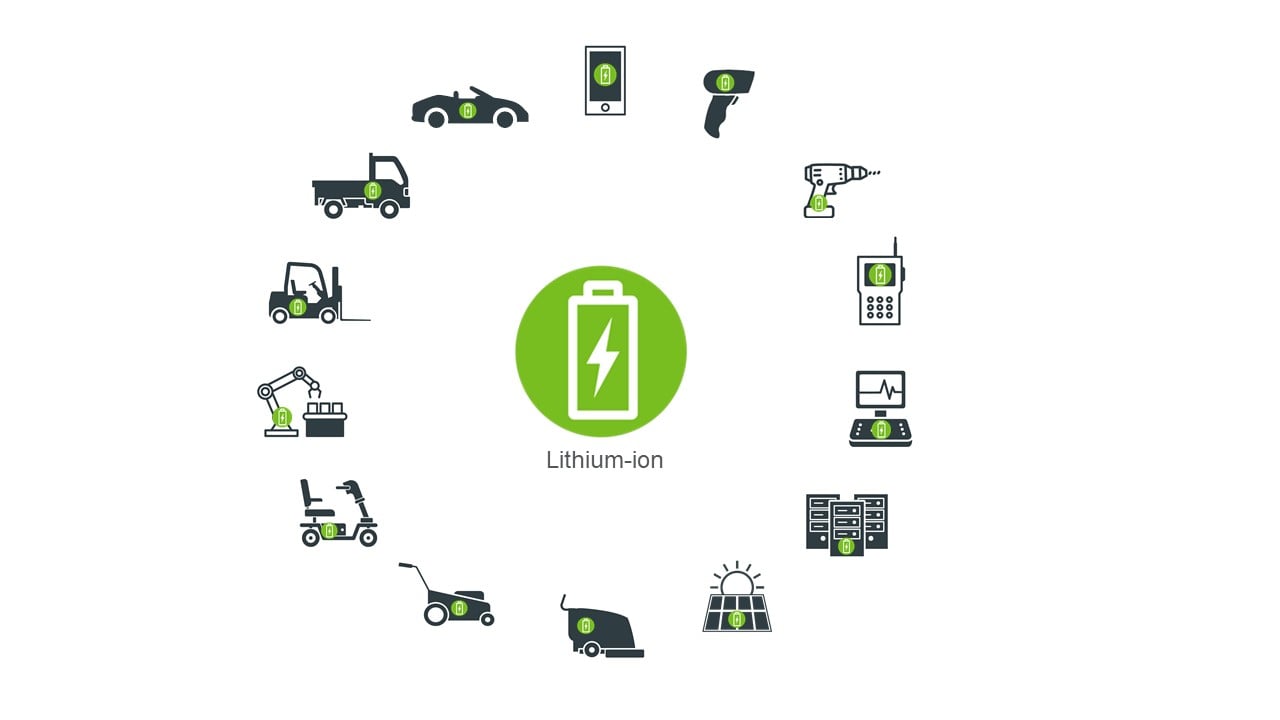
From compact smartphones delivering all-day connectivity to robust systems driving modern transportation, lithium-ion batteries provide the efficient, rechargeable energy that defines today's portable and powerful devices across industries.
Lithium-ion technology dominates energy storage thanks to its high density, lightweight design, and reliable performance. This versatility spans consumer products to specialized equipment, enabling longer runtimes and quicker recharges compared to older alternatives.
Everyday essentials rely heavily on lithium-ion batteries:
These compact cells pack substantial power into slim profiles, supporting features like fast charging and long standby times.
Cordless convenience in homes and workshops comes from lithium-ion:
Their quick recharge and consistent output outperform traditional options in demanding environments.
Larger-scale mobility embraces lithium-ion for sustainable performance:
Recreational vehicles like modern electric golf carts leverage these batteries for quiet, low-maintenance operation across courses and communities.
Beyond consumer use, lithium-ion powers advanced equipment:
These applications benefit from the batteries' durability and rapid power delivery.
Identification is straightforward:
Most rechargeable devices post-2000s employ this technology unless specified otherwise.
Lithium-ion batteries continue expanding into new domains, driven by ongoing improvements in capacity and safety. Their widespread adoption underscores a shift toward cleaner, more efficient power solutions across daily life and industry.
