
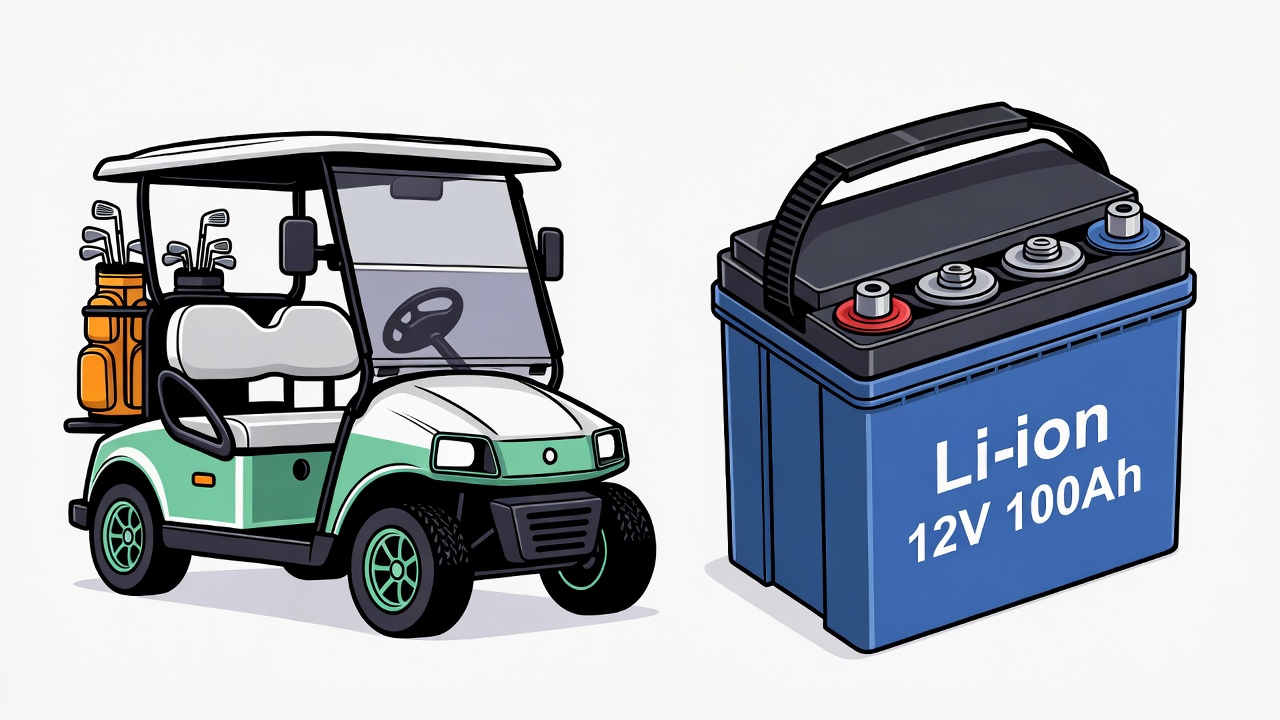
At the heart of countless portable devices and vehicles today, the lithium-ion battery stands out for its ability to pack substantial energy into compact, lightweight packages through the movement of lithium ions between electrodes during charge and discharge cycles.
Lithium-ion (Li-ion) technology has revolutionized energy storage since its commercial introduction in the 1990s. Unlike older rechargeable batteries, Li-ion cells avoid the memory effect and deliver superior performance, making them the go-to choice across consumer electronics, transportation, and renewable energy systems.
A typical Li-ion battery consists of a positive cathode (often lithium metal oxide), a negative anode (usually graphite), and an electrolyte that allows lithium ions to shuttle back and forth. During charging, ions move from cathode to anode; when discharging, they flow the opposite way, generating electricity. A separator prevents direct contact while permitting ion passage, ensuring safe operation.
This elegant ion-intercalation process enables high voltage (around 3.6-3.7V per cell) and exceptional energy density—often 150-250 Wh/kg—far surpassing nickel-cadmium or lead-acid alternatives.
Beyond density, Li-ion batteries offer low self-discharge rates, no need for full discharge cycles, and thousands of recharge opportunities under proper care. They are lighter, more environmentally friendly (when recycled), and increasingly cost-effective as production scales. Ongoing research pushes boundaries with solid-state designs promising even greater safety and capacity.
Lithium-ion batteries power an enormous range of products. Smartphones, laptops, tablets, and wireless earbuds rely on them for all-day portability. Power tools, drones, and medical devices benefit from their compact strength. Electric vehicles and e-bikes use large battery packs for extended range.
In recreational settings, modern electric golf carts increasingly adopt lithium-ion packs for longer runtime, faster charging, and reduced maintenance compared to traditional lead-acid systems. These batteries enhance course enjoyment with consistent power over 18 holes and beyond.
Lifespan varies by usage, but quality cells typically endure 300-500 full charge cycles before capacity drops to 80% of original. With partial charging and moderate temperatures, many reach 1,000-2,000 cycles or 5-8 years in daily devices.
Factors shortening life include extreme heat/cold, overcharging, deep discharges, and physical damage. Modern battery management systems mitigate these risks through temperature monitoring and balanced charging. In applications like electric golf carts, lithium batteries often outlast lead-acid equivalents by years, delivering reliable performance round after round.
Proper care—avoiding full drains, storing at partial charge, and using compatible chargers—maximizes longevity. As recycling infrastructure grows, end-of-life batteries contribute materials to new cells, supporting sustainability.
From pocket-sized gadgets to larger mobility solutions, lithium-ion batteries continue driving innovation with unmatched efficiency and versatility. Their evolution promises even brighter advances in portable power for years to come.
