
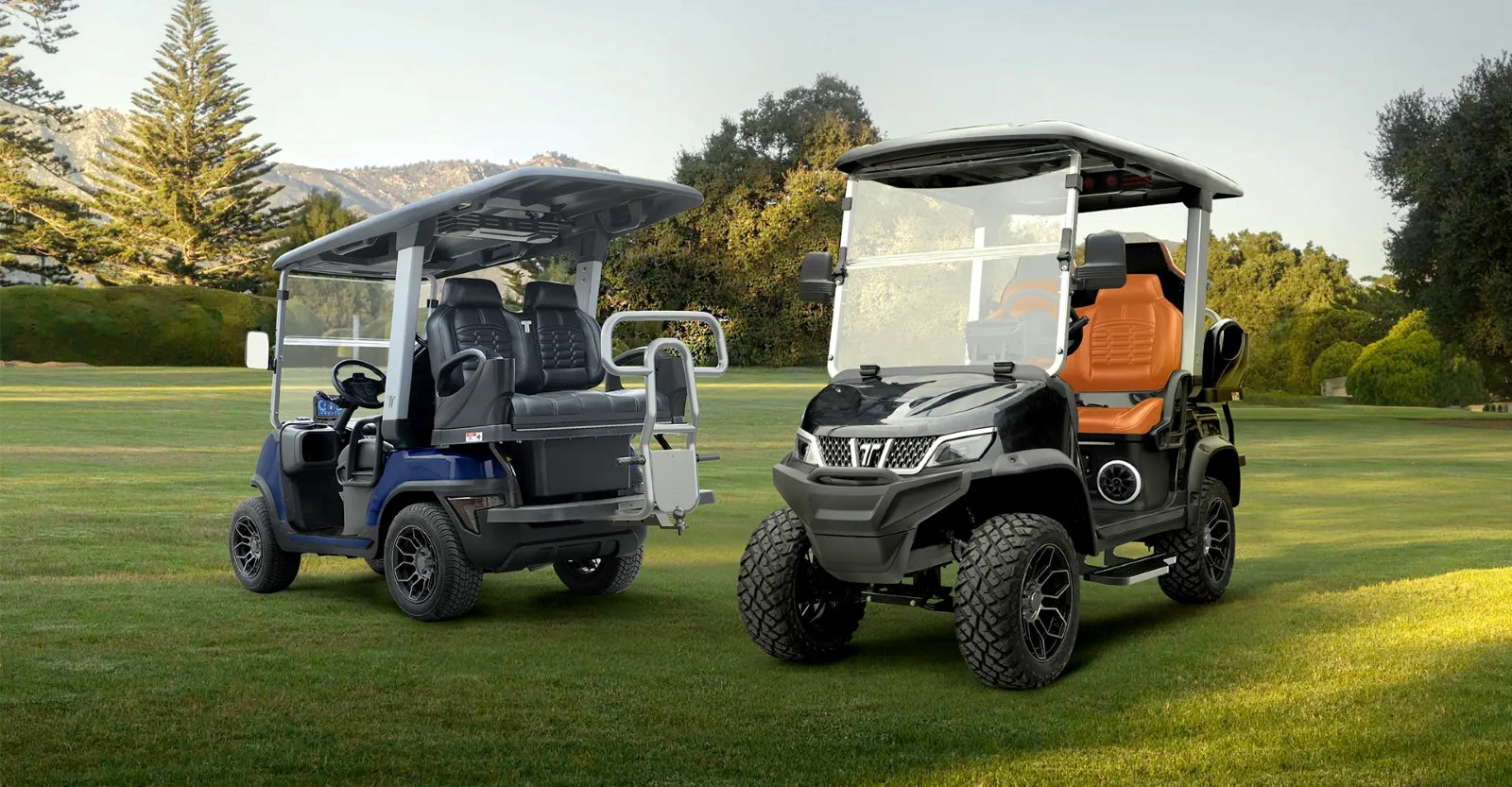
Self-driving golf technology is no longer science fiction; today’s AI-powered trolleys and autonomous golf carts can follow players, map courses, and even capture data.
Yes, self-driving golf carts and autonomous “follow-me” trolleys are already a reality. Using a combination of artificial intelligence, cameras, radar or lidar sensors, and GPS, these systems can navigate the course, avoid obstacles, and in some cases even deliver shot data and swing insights. From personal smart trolleys that trail behind you to fully autonomous cart fleets, golf is quickly adopting the same technologies that power modern driver-assistance systems in larger vehicles.
A self-driving golf trolley—sometimes called a smart trolley or autonomous caddy—is a compact, motorized cart that carries your bag and follows you automatically while you walk the course. Instead of steering it with a handle or remote, you simply wear a small tag, use a phone connection, or let the system lock onto your body using cameras and sensors. The trolley then tracks your movement at a safe distance, matching your walking speed and stopping when you stop.
These devices are designed to give you the health benefits of walking without the strain of carrying or pushing a heavy bag. Many models include built-in gyroscopes for stability on hills, automatic braking, and safety features that prevent runaways on steep slopes or rough terrain.
At the heart of self-driving golf devices is a blend of AI and sensor technology. Cameras, ultrasonic sensors, radar, and sometimes lidar scan the surroundings to detect obstacles, course boundaries, and the position of the golfer. Algorithms then interpret this data in real time, deciding when to move, turn, slow down, or stop.
Many follow-me trolleys use body recognition or a wearable tag to lock onto their owner. The system identifies your shape, color pattern, or wireless signal and maintains a set following distance. If someone walks between you and the trolley, it pauses to avoid confusion and resumes once it clearly detects your position again.
More advanced systems can store digital maps of the course or build them over time. This allows them to choose efficient paths around greens, avoid restricted areas, and even drive themselves from green to next tee without direct input. Some carts integrate with scoring apps or swing-tracking sensors to log distances, club usage, and pace of play, turning every round into a data-rich experience.
Autonomous trolleys are the most common self-driving golf devices available today. They typically carry a single golfer’s bag and focus on:
They are ideal for walkers who want technology to do the heavy lifting while still enjoying the physical and mental benefits of walking the course.
Full-size autonomous golf carts take the same concepts and scale them up. These vehicles can be programmed to:
In some pilot programs, golfers can use an app to request a cart that arrives automatically, eliminating the need to search for a cart or keys. The cart may then follow defined paths, respecting course rules and adjusting speed based on terrain and traffic.
The biggest advantage is convenience. With a self-driving trolley or autonomous cart, you spend less energy managing equipment and more time focusing on strategy, club selection, and enjoying the scenery. This can make walking more appealing to players who might otherwise ride.
Autonomous devices can help smooth out slowdowns by choosing efficient routes between shots and tees. Fleet systems can track where each cart is, suggesting paths that avoid bottlenecks and keeping play moving consistently, which is good for both golfers and course operators.
When combined with GPS and swing-tracking tools, self-driving systems can capture detailed data on:
Golfers gain deeper insight into their strengths and weaknesses, while instructors and fitters can use the information to suggest smarter practice plans or equipment adjustments.
For courses and resorts, autonomous fleets simplify operations. Staff can:
Because many of these systems are built on electric platforms, they’re also quieter and easier to charge and maintain than older gas-powered fleets.
Self-driving trolleys and autonomous golf carts are still evolving, but the direction is clear: more intelligence, more integration, and a smoother overall experience for players and operators. As AI, sensors, and battery technology continue to improve, golfers can expect smarter routing, safer navigation, and richer data every time they tee it up.
From hands-free walking companions to fully managed cart fleets, autonomous golf technology is reshaping how we move around the course—and hinting at a future where your “caddie” might be as digital as your scorecard.
