
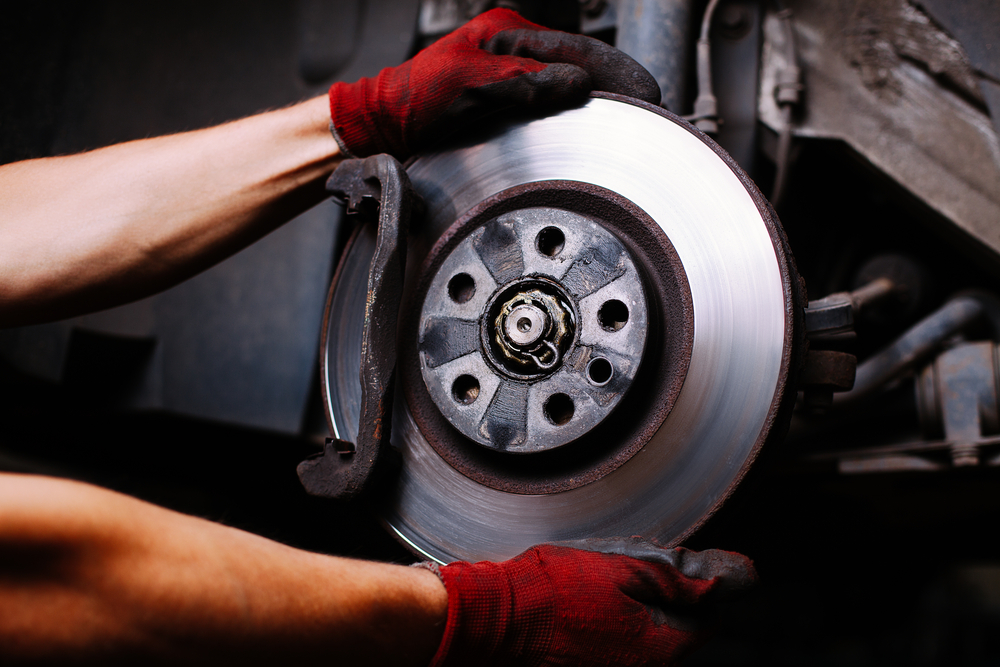
Electric golf cart brakes need regular care to stay quiet, responsive, and safe, especially if you drive hilly routes or carry heavy passengers often.
A well-maintained braking system is essential for the safety and performance of your electric golf carts. Because carts often carry passengers, climb hills, and tow gear, their brakes work harder than many owners realize. Over time, dust, rust, and worn components can cause longer stopping distances or a soft pedal feel. With a simple maintenance routine, you can keep your brakes strong, quiet, and reliable all season long.
Most electric carts use mechanical drum brakes on the rear wheels, sometimes paired with hydraulic systems or front discs on newer models. Brakes operate in dirty environments: sand, grass, mud, and moisture all work their way into drums, cables, and linkages. If you ignore them, you may notice:
Regular inspection, cleaning, and adjustment help prevent these issues and protect both your passengers and your investment in the cart.
For carts that are used frequently, a quick monthly brake check is a smart habit. If you only drive occasionally, perform these tasks every few outings or whenever you notice a change in braking feel.
Start by safely lifting the rear of the cart and removing the wheels. Inspect:
If anything looks severely worn, cracked, or damaged, plan to replace it rather than trying to clean or adjust around the problem.
Dirt and dust build up quickly inside drums. Use a proper brake cleaner spray and a small brush to remove:
Avoid using compressed air without proper protection, since brake dust can be harmful if inhaled. Let the cleaner dry completely before reassembling.
As shoes wear, your pedal can feel too soft or travel too far before the brakes bite. Follow your cart’s manual to locate the main brake cable adjuster and:
Do not overtighten; wheels should spin freely with the brakes released and lock only when the pedal is pressed.
After any adjustment or cleaning, perform a low-speed test in a safe, flat area. Check that:
If you notice issues, recheck your work or consult a qualified technician.
Once a year—or more often for heavily used carts—plan a deeper inspection and service session.
Brake shoes and pads gradually wear thinner. When friction material gets low, performance drops, heat builds faster, and metal parts may start contacting the drum or rotor. Replacing worn shoes annually (or as needed) is a key safety step, especially for carts used on hilly courses or for towing.
Some electric carts use hydraulic brakes. In that case:
Air bubbles or low fluid can cause a soft pedal and inconsistent stopping power, so address leaks or spongy feel immediately.
Lightly lubricate moving points such as:
Use a suitable lubricant sparingly and keep it away from friction surfaces like shoes, pads, and drums.
There is no one-size-fits-all answer, because brake life depends on terrain, driving style, load, and maintenance habits. As a general guideline:
Instead of relying only on mileage or time, pay attention to warning signs such as:
Any of these signals mean it’s time to inspect and possibly replace components, regardless of how long they’ve been installed.
Effective brakes are one of the most important safety systems on your cart. Build a habit of:
Always follow your owner’s manual and, if you’re unsure about any procedure, work with a qualified technician. With consistent care and timely replacement of worn parts, your electric cart will stop confidently and safely—keeping you and your passengers secure every time your golf carts roll out for another round or ride.
