
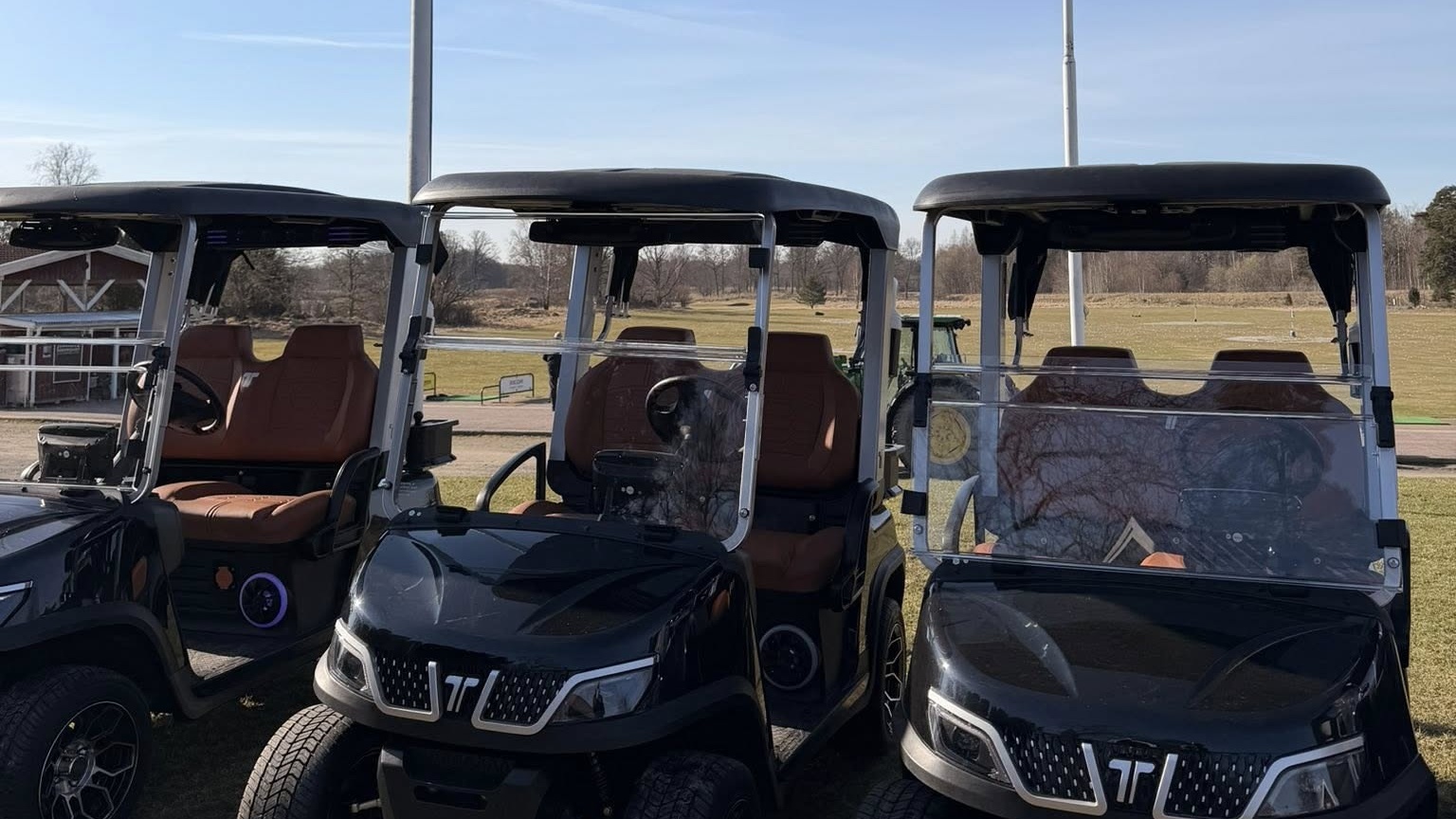
Golf carts have built a strong reputation for dependable everyday performance. When properly maintained, many continue to deliver smooth, trouble-free service for 10 to 30 years. Their reliability stems from simple mechanical designs, quality construction, and consistent care, making them a practical choice for communities, resorts, and personal transportation.
The longevity of a golf cart depends heavily on routine care and how it is used. Regular battery checks, cleaning terminals, and keeping connections tight can prevent many common problems. Owners who follow manufacturer service intervals and store the cart correctly during off-seasons often report decades of reliable operation with minimal repairs. Neglecting basic maintenance, on the other hand, can lead to premature wear and unexpected downtime.
Electric models tend to offer higher reliability for most users. With fewer moving parts, quieter operation, and no fuel system to maintain, electric carts require less frequent service. Modern lithium battery systems further improve dependability by eliminating watering and equalization tasks. Gas-powered carts can be equally reliable when well-maintained but involve more routine upkeep, including oil changes, spark plugs, and fuel system cleaning. For light daily use, electric carts generally provide a lower-maintenance and more consistent experience.
Buying a used golf cart can be a smart way to save money, but it carries some risks. Older carts may have worn brakes, aging batteries, or hidden electrical issues. A thorough inspection of the frame, suspension, steering, and battery condition is essential before purchase. Carts with recent battery replacements and documented service history tend to be the most reliable used options. Working with a reputable dealer or having a professional mechanic evaluate the cart helps reduce the chance of unexpected repairs shortly after buying.
Consistent maintenance is the foundation of long-term reliability. For electric carts, this includes keeping batteries clean and charged, checking tire pressure, and inspecting brakes regularly. Gas carts require additional attention to the engine, belts, and exhaust system. Simple tasks like lubricating moving parts and tightening hardware can prevent many issues. Many owners find that setting a seasonal maintenance schedule keeps their cart running smoothly year after year.
How a golf cart is used also affects its reliability. Carts driven gently on smooth paths with light loads tend to last longer than those subjected to rough terrain, heavy passengers, or frequent steep inclines. Avoiding overloading and driving at reasonable speeds helps reduce stress on the drivetrain and suspension. Carts used only occasionally may need extra attention during storage to prevent battery degradation and component seizing.
The battery system is often the most critical component for reliability. Lead-acid batteries require regular watering and charging habits, while lithium batteries offer greater peace of mind with minimal upkeep. Keeping batteries properly charged and avoiding deep discharges helps maintain performance and extends service life significantly. Many owners report that upgrading to lithium batteries dramatically improves overall cart reliability and reduces maintenance time.
Well-maintained golf carts tend to hold their value quite well, especially popular brands and recent models. A cart that has been regularly serviced, stored properly, and kept clean can retain a substantial portion of its original price even after several years. Factors such as battery condition, overall appearance, and included accessories play a major role in resale value. Choosing a reliable model from the start and maintaining it properly helps protect your investment over time.
Golf carts are remarkably reliable when given proper care and attention. Their simple design, combined with regular maintenance and sensible usage, allows many units to provide dependable service for 10 to 30 years or more. Whether you choose an electric or gas model, focusing on battery health, brake condition, and routine inspections will help ensure consistent performance.
