
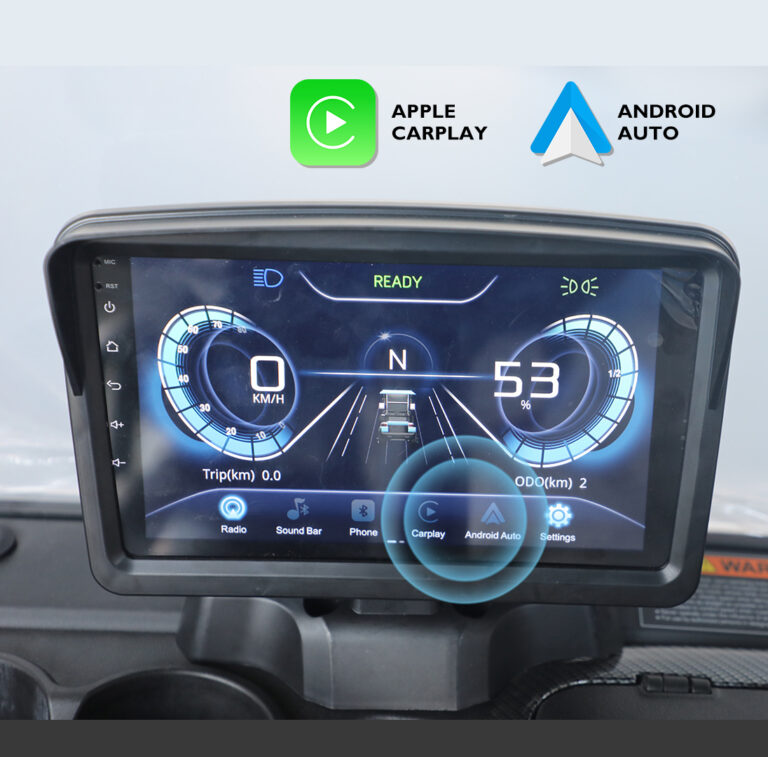
High mileage for a golf cart is typically considered anything over 3,000 to 5,000 miles, particularly if it is a standard lead-acid battery model used frequently. While some carts can reach 10,000+ miles, most show significant wear and require major repairs or battery replacements after 5,000 miles.
Golf carts are built for low-speed, short-distance use rather than high-mileage highway driving. Because of this, “high mileage” is measured differently than in cars. Most owners consider 3,000–5,000 miles the threshold where maintenance costs begin to rise sharply. Carts used daily in retirement communities or resorts often accumulate mileage faster than weekend recreational vehicles. A cart with 4,000 miles that has been well-maintained may still perform excellently, while a neglected one with only 1,500 miles can feel worn out. The key factor is not just the odometer reading but how the miles were accumulated and how the cart was cared for.
The battery pack is usually the first component to show the effects of high mileage. Traditional lead-acid batteries typically last 3–5 years or roughly 1,000–1,500 full charge cycles before significant capacity loss. A heavily used cart can go through this many cycles in just 2–3 years, even if the total mileage is only a few thousand. Lithium-ion batteries change the equation dramatically, often lasting 8–12 years or 3,000–5,000 cycles with minimal degradation. This makes a lithium-powered cart with 6,000 miles feel newer than a lead-acid cart with half the mileage. When evaluating high-mileage carts, always check the battery type, age, and recent load-test results.
Two carts with identical mileage can have vastly different conditions. A cart driven gently on flat golf course paths with light loads will show far less wear than one used on hills, in sand, or carrying heavy passengers daily. Frequent stops and starts, steep inclines, and rough terrain accelerate wear on motors, controllers, brakes, and suspension components. A 4,000-mile cart used in a retirement community may still look and run like new, while a 2,500-mile cart used for neighborhood deliveries might need significant repairs. Always ask about the usage history when considering a used cart.
Well-maintained carts routinely exceed 5,000–8,000 miles with minimal issues. Regular battery watering (for lead-acid), cleaning terminals, checking tire pressure, and lubricating moving parts make a huge difference. Neglected carts develop problems much earlier — corroded connections, seized brakes, and worn controllers are common after just 2,000–3,000 miles of poor care. A cart with 6,000 miles that has service records showing consistent maintenance is often a better buy than a low-mileage cart with no records. High mileage is not automatically bad if the service history is strong.
Lithium-ion batteries have completely changed what high mileage means for golf carts. Because they handle deep discharges better and require no watering or equalization, lithium-powered carts can comfortably reach 8,000–12,000 miles with very little degradation. Many owners report their lithium carts still performing like new after 7–8 years of daily use. Lead-acid carts, by contrast, usually need battery replacement well before 5,000 miles of heavy use. When shopping for high-mileage carts, lithium models often represent the best value despite higher initial cost.
When evaluating a high-mileage used golf cart, focus on these key areas:
A well-maintained high-mileage cart can often be a smarter purchase than a neglected low-mileage one. Many buyers find excellent value in carts with 4,000–7,000 miles that have been regularly serviced.
High mileage for a golf cart is generally considered anything over 3,000–5,000 miles, but the actual condition depends far more on maintenance history and battery type than on the odometer alone. Lead-acid carts often need major attention around 5,000 miles, while lithium-powered carts can comfortably exceed 10,000 miles with minimal issues. When shopping for a used cart, prioritize service records, battery condition, and a thorough test drive over raw mileage numbers. With proper care and the right battery technology, many golf carts continue providing reliable transportation well beyond what most owners expect.
