
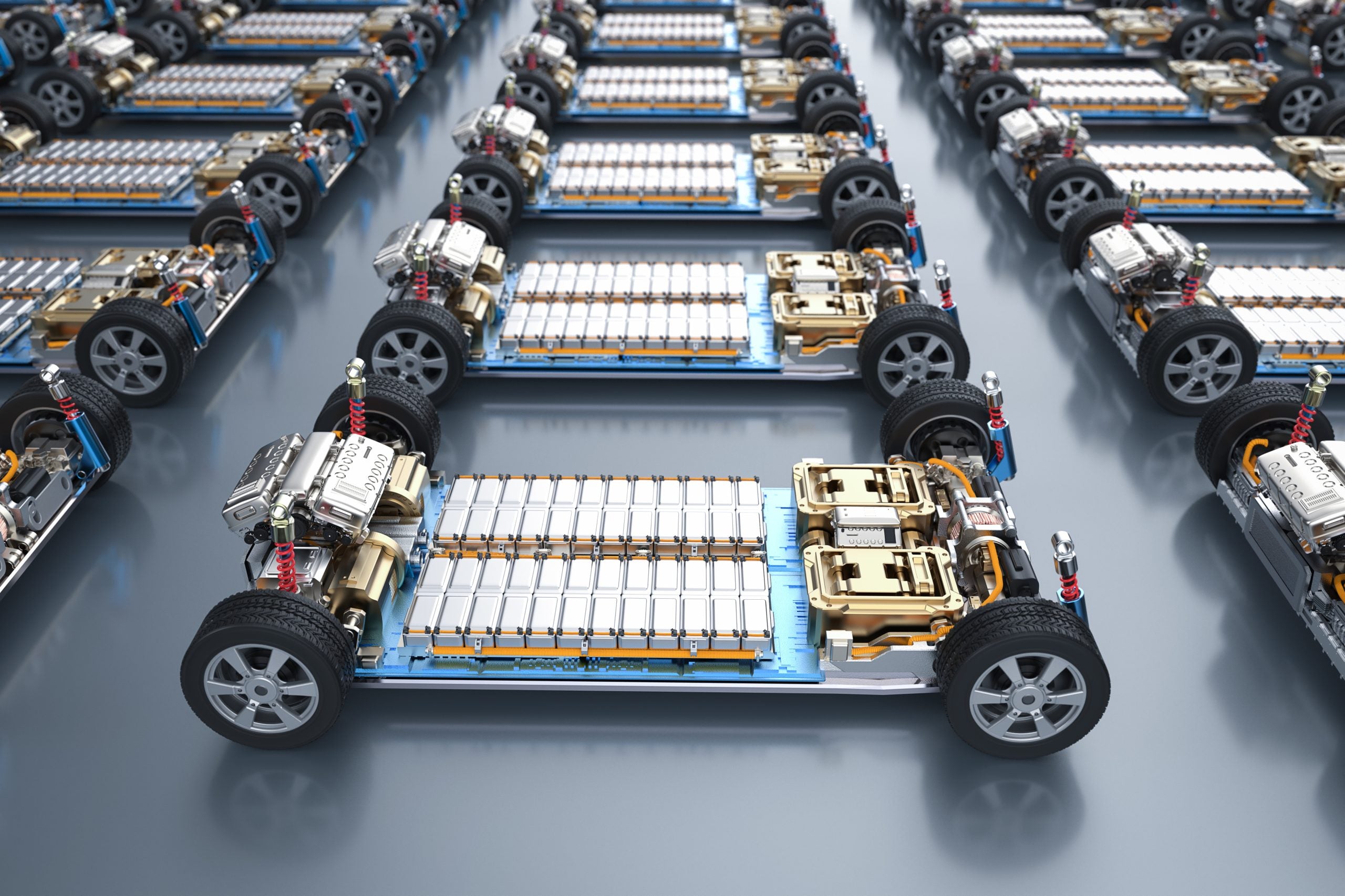
Electric vehicles rely on lithium-ion battery packs for their unmatched combination of high energy density, lightweight construction, and reliable rechargeability—delivering extended driving range and responsive performance that alternative chemistries struggle to match.
As the automotive world shifts toward sustainability, lithium-ion technology stands out as the backbone of modern electrification. Its proven track record and continuous improvements make it the go-to choice for manufacturers and drivers alike.
Lithium-ion packs store more energy per kilogram and liter than competitors like lead-acid or nickel-metal hydride. This allows electric vehicles to achieve 200-400+ mile ranges without excessive weight, preserving handling and efficiency.
Higher density means smaller, lighter packs that fit seamlessly into vehicle designs.
Quality lithium-ion cells endure 1,000-3,000+ full charge cycles with minimal degradation, translating to 8-15 years of service in typical driving. Advanced management systems balance cells and control temperature, further extending longevity compared to older batteries that fade quickly.
Lithium-ion batteries convert 90-95% of energy during charge/discharge, minimizing waste heat and maximizing range. Many support rapid charging (80% in 30-60 minutes), making long trips practical with growing infrastructure networks.
When parked, these packs lose only 1-3% charge monthly—far better than alternatives—ensuring readiness. They deliver steady power across temperatures (with thermal management) for reliable acceleration and regenerative braking.
Decades of development created mature supply chains, driving costs down while innovations like solid-state previews push boundaries further. Variants such as LFP offer enhanced safety for specific models.
Despite strengths, challenges persist: higher upfront costs than fossil fuels (though offset by lower operating expenses), potential thermal runaway risks requiring sophisticated safety systems, and reliance on mined materials raising environmental and ethical concerns. Recycling efforts and next-gen chemistries actively address these.
Lithium-ion batteries earned dominance in electric vehicles through balanced excellence in range, durability, and usability—fueling the ongoing transition to cleaner mobility with room for future refinement.
