Tips to Prevent Rust and Corrosion on Your Golf Cart

Tips to Prevent Rust and Corrosion on Your Golf Cart

Rust and corrosion can quietly destroy a golf cart, but a few simple habits will keep the frame, hardware, and battery area protected for years.

Whether you drive your golf cart on the course, around a community, or on a large property, exposure to moisture, road salts, fertilizer, and battery acid can slowly eat away at metal parts. Rusted frames, corroded hardware, and damaged battery trays shorten the life of the cart and can lead to expensive repairs. The good news: a simple, consistent care routine will dramatically reduce rust and corrosion and help your cart look and perform its best.

Cleaning & Drying

The first line of defense against rust is regular cleaning. Dirt, grass, fertilizer, and road salts trap moisture and create the perfect environment for corrosion. A quick wash and thorough dry can make a big difference, especially if you store the cart outdoors or use it in wet or humid climates.

  • Rinse the underside. Use a gentle spray to clean the frame, suspension, and underside of the body. Pay attention to welds and seams where rust often starts.
  • Wash body panels and wheels. Mild car shampoo and a soft brush or sponge remove contaminants without scratching the finish.
  • Dry completely. After rinsing, use a towel or blower to remove water from metal surfaces, especially around hinges, brackets, and hardware. Standing water leads directly to rust spots.

Avoid high-pressure nozzles directly on electrical components or bearings; a moderate spray is enough to rinse away debris without forcing water into places it doesn’t belong.

Protective Coatings & Lubrication

Once your cart is clean and dry, give the metal parts a protective shield. Rust-inhibiting sprays, waxes, and lubricants help seal surfaces away from moisture and oxygen, slowing down corrosion.

  • Apply rust-inhibiting spray. Use a quality rust-preventive spray on the frame, leaf springs, brackets, bolts, and hardware. Focus on areas that see road splash or contact with water.
  • Wax painted surfaces. A layer of automotive wax on body panels and painted metal helps repel water and makes dirt easier to wash off next time.
  • Lubricate moving parts. Lightly lubricate hinges, pedal pivots, steering linkages, and other moving parts. Lubrication not only prevents rust but also keeps the cart operating smoothly.

Always keep chemicals away from brake shoes, pads, and other friction surfaces. When in doubt, consult your owner’s manual for recommended products and application points.

Storage & Environment

Where and how you store your golf cart has a big impact on rust formation. Even a well-protected frame can decay quickly if it is parked in standing water or under constant dripping from a leaky roof.

  • Store in a dry, covered space. A garage, shed, or carport keeps rain and snow off the cart and reduces exposure to dew and frost.
  • Use a breathable cover. If you must park outside, choose a cover that protects from rain and sun but still allows moisture to escape. Trapped humidity under a non-breathable tarp can accelerate rust instead of preventing it.
  • Avoid parking on wet grass or gravel. Moisture evaporates slowly under the cart, exposing the frame and hardware to constant dampness. If possible, park on concrete or another dry surface.
  • Rinse off salt and chemicals. If you use the cart near salted roads, coastal areas, or treated turf, rinse the undercarriage regularly to remove corrosive residue.

Managing the environment around your cart is just as important as cleaning it. A dry, well-ventilated storage spot can extend the life of both the frame and the electronics.

Battery Maintenance

The battery compartment is one of the most common sources of corrosion on an electric cart. Acid fumes and minor spills can eat away metal trays, hold-down brackets, and even nearby frame sections if they are not controlled.

  • Check water levels correctly. For flooded lead-acid batteries, use distilled water only and fill cells to the recommended level. Do not overfill, as overflow during charging can spread acid into the compartment.
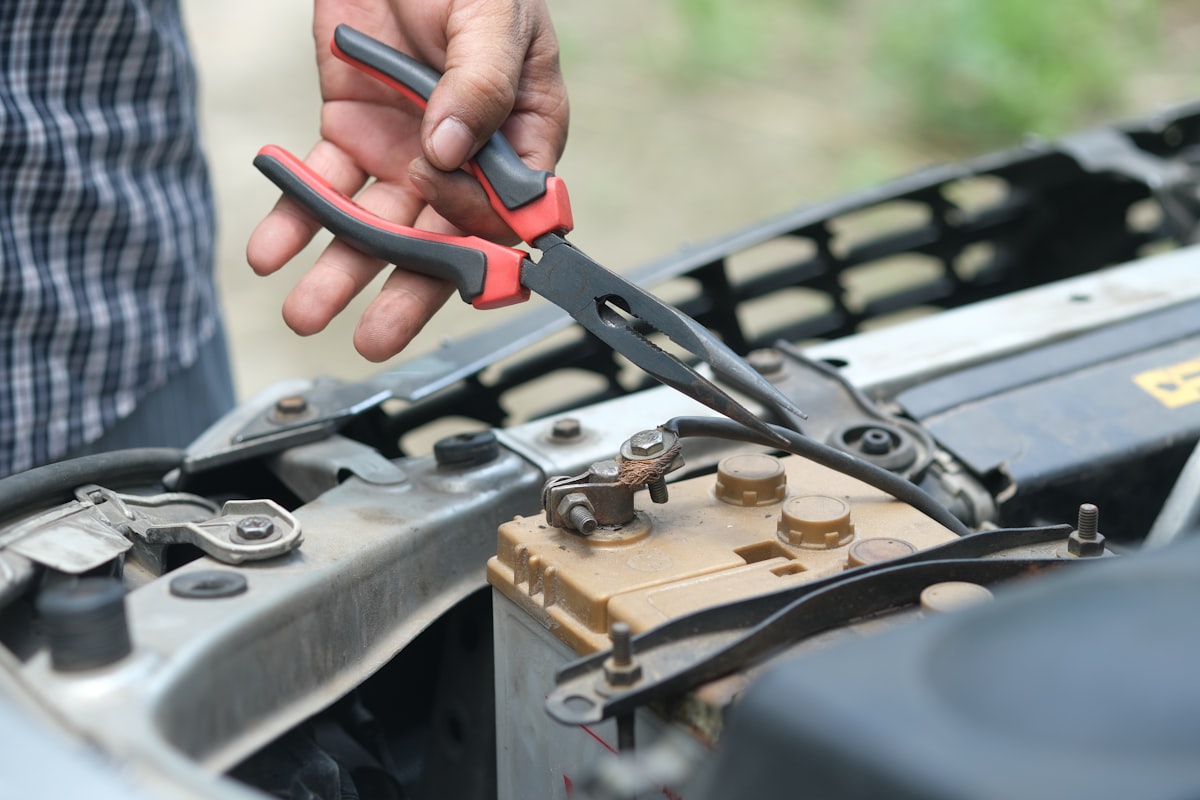
  • Clean terminals regularly. Mix a small amount of baking soda with water to make a mild neutralizing solution. Apply it carefully to corroded terminals and hardware using a brush, then rinse and dry. This neutralizes acid residue and stops further corrosion.
  • Protect with terminal spray. After cleaning and tightening connections, apply a battery terminal protectant or thin layer of dielectric grease to reduce future corrosion.
  • Inspect trays and brackets. Look for flaking paint, rust, or thinning metal around the battery tray. Touch up with rust-inhibiting primer and paint, or replace severely damaged components before they fail.

Keeping the battery area clean, neutralized, and protected not only prevents rust, it also improves electrical performance and reduces the chance of starting issues or voltage drops under load.

Extra Tips for Long-Term Protection

A few additional habits help keep rust and corrosion under control over the long term:

  • Inspect after storms or deep cleaning. Look for new rust spots or discoloration and address them early with cleaning and touch-up paint.
  • Check fasteners and brackets. Loose parts can rub away protective coatings and encourage rust; tightening them and re-coating exposed metal helps.
  • Create a simple seasonal checklist. At the start and end of each season, plan a thorough wash, underbody inspection, battery compartment cleaning, and storage check.

By combining regular cleaning, smart storage, protective coatings, and careful battery maintenance, you can dramatically reduce rust and corrosion on your golf cart. A few minutes of preventive care each month will help your cart stay safer, look better, and deliver reliable service for many seasons to come.

Leave a Reply

tara golf cars, tara electric golf cars, tara golf fleet, best golf car, fleet cars, 2025, club car, ezgo, yamaha, alternatives, golf courses, golf club,
[newsletter_form]