
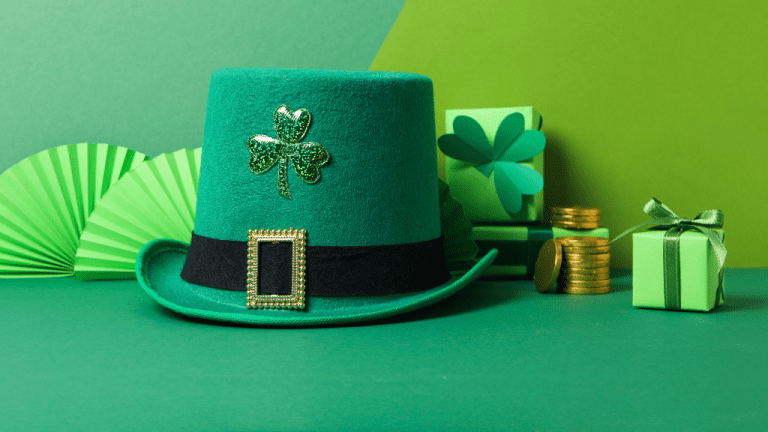
Saint Patrick’s Day, celebrated every March 17, honors Ireland’s patron saint with vibrant parades, green attire, shamrocks, Irish music, and festive feasting. Once a solemn religious observance, it now stands as a worldwide celebration of Irish heritage, culture, and joy.
Saint Patrick, born in Roman Britain around 385–390 AD, was kidnapped at age 16 and enslaved in Ireland for six years. After escaping, he trained as a priest and returned as a missionary in the 5th century. His mission converted thousands of Irish pagans to Christianity, using simple symbols like the shamrock to explain the Holy Trinity. He established churches, monasteries, and schools, laying the foundation for Ireland’s Christian identity. He died on March 17, 461 AD, and that date became his feast day.
For centuries, St. Patrick’s Day remained a quiet religious holiday in Ireland. It gained public prominence in the 17th century when the Catholic Church officially recognized it. The modern secular celebration exploded in the 19th and 20th centuries, largely due to Irish immigrants in the United States who turned it into a major cultural event with parades, music, and community pride.
The three-leaf clover, or shamrock, is the most iconic symbol of St. Patrick’s Day. Legend credits St. Patrick with using the plant to illustrate the concept of the Trinity—one God in three persons (Father, Son, Holy Spirit). While historians debate whether he actually used this exact analogy, the story endures as a powerful teaching tool.
Finding a four-leaf clover is considered extraordinarily lucky—estimated at 1 in 10,000—and many people search fields on March 17 hoping to find one. The shamrock remains Ireland’s national emblem, appearing on military insignia, sports jerseys, and official seals.

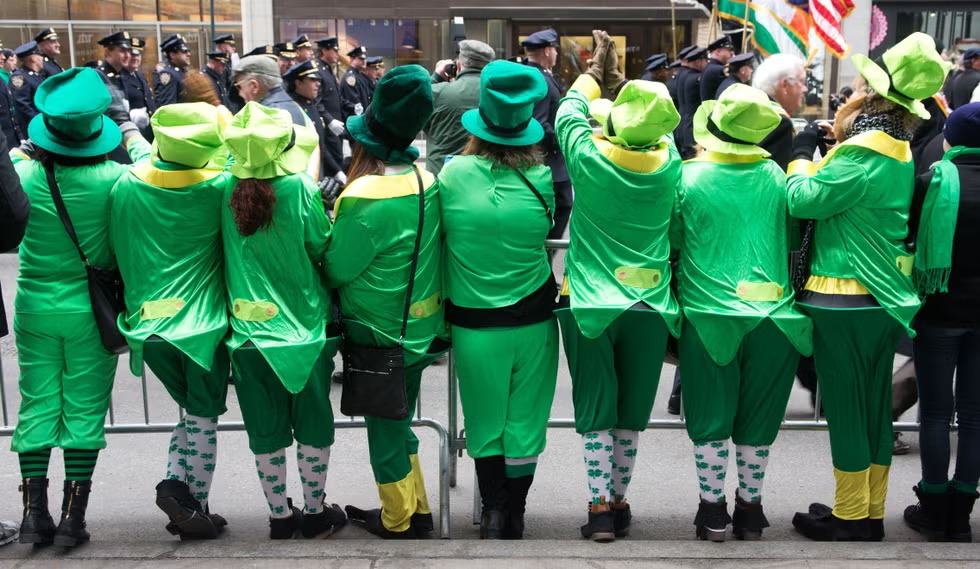
Wearing green became popular in the 18th century during Irish rebellions, when green symbolized hope and Irish identity against British rule. By the 19th century, it evolved into a fun tradition: “Wear green or get pinched!” The pinch is a playful reminder to show Irish spirit—those not wearing green risk a light pinch from friends or family.
Green also ties to Ireland’s nickname, “The Emerald Isle,” due to its lush landscapes. Today, green clothing, accessories, hair dye, food coloring, and even rivers (Chicago dyes its river green every year) dominate the day’s festivities.
Orange is traditionally the color to avoid. It represents Protestant loyalists and the historical Orange Order in Northern Ireland. Wearing orange on St. Patrick’s Day can unintentionally signal division rather than unity. Most celebrants stick to green, white, or a mix of green and gold to honor Irish heritage safely and inclusively.
While Dublin hosts one of the world’s largest parades with floats, marching bands, and dancers, celebrations span the globe:
In 2026, expect even larger events as post-pandemic enthusiasm continues to grow. Many cities now incorporate eco-friendly practices, like biodegradable dyes and sustainable parade materials.
Classic St. Patrick’s Day meals include:
Drinks range from Guinness stout and Irish whiskey to green beer and Irish coffee. Many pubs host “pub crawls” with live Irish music—fiddles, bodhráns, and uilleann pipes.
Today’s celebrations blend ancient reverence with contemporary fun:
Fun fact: Ireland only declared St. Patrick’s Day a public holiday in 1903, but the U.S. has celebrated it publicly since the 1700s.
As environmental awareness grows, many 2026 celebrations emphasize green practices—literally and figuratively. Cities use vegetable-based dyes, reduce single-use plastics, and promote walking or public transit to parades.
Saint Patrick’s Day on March 17 has transformed from a religious feast honoring Ireland’s patron saint into a global festival of Irish pride, music, food, and green-clad joy. Whether you’re marching in a parade, raising a pint of Guinness, searching for a four-leaf clover, or simply wearing green to avoid a pinch, the day celebrates resilience, community, and cultural heritage. In 2026, join millions worldwide in toasting “Sláinte!” to St. Patrick and the enduring spirit of Ireland.
