The battery is the heart of every electric golf cart. It powers the motor, lights, and accessories, ensuring smooth and reliable performance on the course or around the community. Without a properly functioning battery, even the best golf cart cannot operate efficiently.
A high-quality golf cart battery provides consistent power, longer driving range, and better overall performance. It directly affects acceleration, climbing ability, and how far you can travel on a single charge. Poor battery maintenance or using low-grade batteries can lead to reduced runtime, unexpected breakdowns, and higher long-term costs.
Regular care, timely charging, and using the right type of battery are essential to keep your golf cart running at its best. Whether you use your cart for golf, work, or leisure, investing in a dependable battery is crucial for safety, convenience, and performance.
Here are some common golf cart battery FAQs:
how long do golf cart batteries last
Golf cart batteries can last anywhere from 2-10 years, depending on the type and how well they are maintained. Traditional lead-acid batteries typically last 2-6 years, while newer lithium-ion batteries can last 8-10 years. Factors like maintenance, charging habits, usage frequency, and extreme temperatures can significantly impact a battery’s lifespan.
how much are golf cart batteries
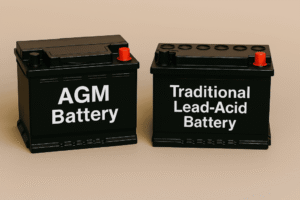
Golf cart batteries can range in price depending on how many your cart requires, the brand, and the battery type; for example, a 36-volt cart may need six 6-volt batteries while a 48-volt cart could use six 8-volt or four 12-volt batteries, and well-known brands like Trojan or US Battery are usually more expensive than generic options; in terms of types, flooded lead-acid batteries are the most common and cost about $100–$200 each, AGM or gel batteries are maintenance-free and priced around $200–$300 each, while lithium-ion batteries are the premium choice with faster charging and longer lifespan but can cost $2,000–$5,000 for a full set, meaning the overall cost of golf cart batteries can range anywhere from about $600 to more than $5,000 depending on your setup.
how to test golf cart batteries
To test golf cart batteries, fully charge the batteries and perform a voltage test with a multimeter set to DC volts, connecting the probes to each battery’s positive and negative terminals to ensure voltage is above the expected level for a healthy battery (e.g., around 12.6V for a 12V battery). For a more accurate assessment, conduct a load test using a specialized load tester to check voltage under stress, or for flooded batteries, use a hydrometer to measure electrolyte specific gravity. Finally, perform a visual inspection of the batteries for any signs of damage or corrosion.
how to charge golf cart batteries
To charge golf cart batteries, first ensure you have the correct charger for your battery type and voltage. Connect the charger to the battery, following the manufacturer’s instructions for polarity (positive to positive, negative to negative). Allow the battery to charge fully, which may take several hours. Regularly inspect the charging connections and cables for wear.
how many batteries does a golf cart take
A typical electric golf cart takes four to six batteries, with the exact number depending on its voltage system (e.g., six 6-volt batteries for a 36V system, or six 8-volt/four 12-volt batteries for a 48V system). Gas-powered carts, on the other hand, use a much smaller, single battery for starting the engine. To find the precise battery configuration for your cart, check the owner’s manual or the cart’s battery compartment for the voltage rating and number of batteries.
what's the difference between 48v and 51.2v golf cart batteries
The main difference is that 51.2V batteries are a newer, typically lithium-ion technology with higher voltage, leading to better efficiency, longer range, and greater power and torque, while 48V batteries are a traditional option, often made with lead-acid technology, which is less powerful, heavier, and requires more maintenance. 51.2V systems also offer a longer lifespan and faster charging times, though they come at a higher initial cost.
If you are considering a golf cart that combines power, comfort, and reliability, choosing the right model is just as important as selecting the right features. Modern golf carts are designed not only for use on the course but also for leisure, neighborhood travel, and recreational activities. When selecting a golf cart, it’s important to look for durability, smooth handling, advanced technology, and long-term cost efficiency. A cart that delivers consistent performance and requires less maintenance will always provide greater value over time.
In addition to overall design and features, the type of battery you choose plays a critical role in performance. Traditional lead-acid batteries may seem economical at first, but they are heavy, slow to charge, and require frequent upkeep. By contrast, lithium batteries represent a modern upgrade that provides lighter weight, faster charging, and a much longer lifespan.
For golfers and everyday users who value efficiency, reliability, and advanced technology, a high-performance lithium battery golf cart is the best choice. Not only does it deliver superior driving experience, but it also reduces long-term maintenance costs and ensures you get the most value from your investment.